8392

NEWS of Columbia Pacific Communities

Performance management: Real Estate sector focussing on what is truly important

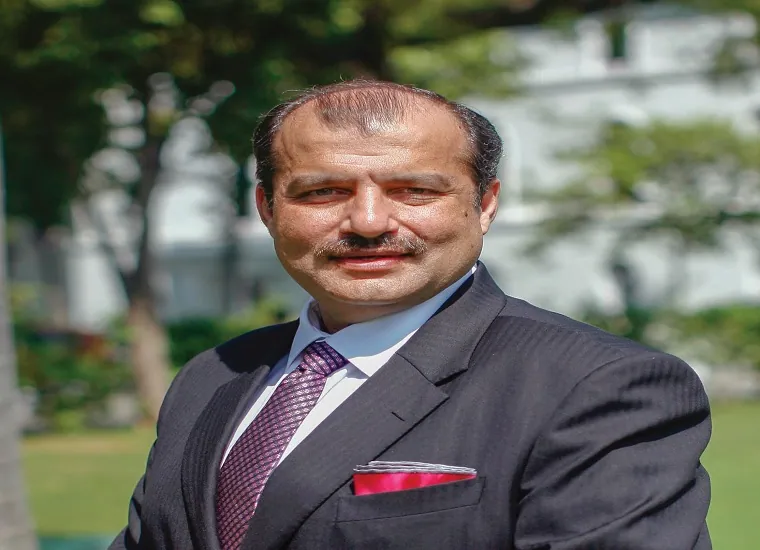
Mohit Nirula, CEO, Columbia Pacific Communities at an event

ETHRWorld interacted with industry leaders in the real estate sector engaged in the mammoth task of the employee performance evaluation and assessment this year. Performance monitoring and measuring could be a challenge for the real estate sector where physical presence to do work and to even monitor is essential. However, certain companies have employed a digital metric system, robust assessment practices and proactive monitoring measures to counter the challenges remote work has brought upon for this labour-intensive sector regarding performance evaluation. ETHRWorld interacted with industry leaders in the real estate sector engaged in the mammoth task of the employee performance evaluation and assessment this year.   Technology at forefront For Mohit Nirula, CEO, Columbia Pacific Communities, remote work is a Black Swan event. He believes as long as one has remained engaged with the team members over the past year and the organisation accepts that circumstances have been beyond the team members’ control, performance evaluation goes beyond being a numeric exercise. “The pandemic has resulted in both employees and organisations focusing on what is truly important. Organisations that stood by their team members during this time will benefit from the loyalty of engaged team members, besides also being able to attract the best talent in the future,” he said. Surbhi Gupta, Senior Manager – HR, E5 Infrastructure, said it is a known fact that remote work leads to troubles in keeping track of an employee’s growth graph. However, construction company E5 Infrastructure resolved this with the upgrade of its E5 Performance system wherein it has started working through a new HRMS and there is a streamlined HR process. “This will help us keep a track on the daily attendance irrespective of the location and we can easily do geo tracking enabling us to have a complete view of an employee’s availability and progress,” Gupta said. “The HRMS system helps you keep a track of attendance, leaves, employee help desk, training etc which not just helps in the analysis of employees’ pulse but also enables a closer relationship between the organisation and its employees,” she added. Employee survey and geo-tagging at the field Managing talent during the Covid-19 pandemic has posed challenges to most organisations. Internal communications, technology and employee connect have been strongly leveraged at the property development company Embassy Group for managing employee performance. “While the priority continues to be the safety and wellbeing of our employees, it is important that we also enable performance management for minimal disruption of our business deliverables,” said Maria Rajesh, CHRO, Embassy Group. Embassy Group used the Covid-19 unlock phase to take a step back and evaluate the efficiency of the Performance Management Process via a “discrete” employee survey. The feedback and recommendations were cascaded to all managers and leaders via a People Manager Capability Building workshop. This workshop, Rajesh said, helped them feel the pulse of the teams and improve the quality of feedback conversations for improved performance. The survey has also resulted in significant changes in the appraisal system which has been widely appreciated. To ensure continuity of the employee recognition programmes and to keep up the employee spirit, Embassy also hosted an online Diwali event recognising the star performers of the year and rewarded tenure with long service awards. According to Gupta, E5, geo-tagging is one revolutionary technology that has enabled easy tracking of attendance irrespective of the location that one is working from. The employees can punch in and punch out at the construction site itself. For the blue-collar employees, she said complete training will be provided by the organisation keeping a continuous track on them. Additionally, she suggested the supervisors must keep a continuous track on their growth and every communication must be recorded in an excel format enabling complete transparency in the process. “This also helps in the feedback process and helps the management to have a log of the progress report. It is through this new process that organisations can carry out a transparent and authentic promotion process,” said Gupta. Speaking on the emerging synergies between employee engagement and performance management, Gupta said one cannot go along without the other in such hard times. And that is where organisations are now organising training programmes and activities for employee engagement and simultaneously adapting to technologies to focus on performance management, she said. “Regular appraisals, employee benefits and satisfaction have become a key for a company’s growth and similarly employees work harder in organisations that value their employees beyond all the odds, which has become even more prevalent post-pandemic,” Gupta added.

Continue reading “Performance management: Real Estate sector focussing on what is truly important”

Senior living a young market

Mohit Nirula, CEO, Columbia Pacific Communities at an event

Data suggests that share of elders as a percentage of total population will have increased from around 7.5% in 2001 to almost 12.5% by 2026 and surpass 19.5% by 2050. Covid-19 and its consequent challenges have accelerated the need for senior living facilities in India, with industry players experiencing high demand for residential units with assisted living features especially on outskirts of metros and tier I and II cities. Analysts are of the view that senior living market in India got a boost as the pandemic forced people to recalibrate their requirements. For senior citizens it meant choosing a location that offers them a holistic experience with round-the-clock medical care and other services. Market insiders stress that the segment has immense growth potential in India as it comprises less than 1% of the real estate market in India, compared to 12% in the US and 5-6% in Australia. Another point, says Antara Senior Living CEO & MD Rajit Mehta, is that senior population in India is fast growing with over 20 million elders who stay alone, which will increase in next two decades. Data suggests that share of elders as a percentage of total population will have increased from around 7.5% in 2001 to almost 12.5% by 2026 and surpass 19.5% by 2050. Columbia Pacific Communities CEO Mohit Nirula emphasises that it is a different experience. “In today’s fast-paced world, parents often find their children employed in a different city or country. Loneliness is the biggest accelerator of ageing. These communities are designed to offer a holistic living experience,” he added. Nirula is optimistic on the demand for senior living facilities. “We serve nine communities and 1,600 homes. Of all these communities across 5 cities, today we have a waiting list of people who either want to take a home on rent or purchase one in resale. Ready-to-move-in (RTMI) is in huge demand at all our communities,” he noted. Another early entrant in this segment, Ashiana Housing, says the biggest change is that children were against senior living before Covid and after the pandemic, they have come out in support. “We are very bullish at Ashiana and are looking at land deals especially in Chennai, Pune and Delhi-NCR. Brand names have a big play in senior living because it is not about the house but about services,” said Ashiana Housing joint MD Ankur Gupta. Ashiana has five projects across Chennai, Lavasa (Pune), Jaipur and Bhiwadi, Gupta said, adding the company is looking at launching 3-5 projects in Delhi-NCR, Pune and Chennai over the next two years. Antara Senior Living also saw increased customer enquiries and quicker conversions. “Antara Noida has had cumulative net sales of 150 units since its launch and is seeing continued strong interest and heavy footfall at the community site, giving us confidence that sales momentum will continue during the coming financial year,” Antara’s Mehta noted. Anarock Property Consultants research head Prashant Thakur said over the years, senior living projects have sprung up either on the outskirts of major cities or largely in tier II and III cities. Bhiwadi in NCR, Neral in Mumbai, Talegaon in Pune and Devanahalli in Bengaluru are some prominent locations in tier-I cities. “Covid could very well reshape the future of senior living in India as demand for such residences is reportedly rising amidst the pandemic-induced uncertainties. Currently, there is only limited supply in this segment – there are as many as 55 projects (developed or ongoing) by top 12 players in this segment,” Thakur added. The future is bright, asserts Nirula, adding “There are all the conveniences you want in a serviced apartment with safety protocols in place, 24×7 medical support and a like-minded environment. RTMI units and the demographic buying such units is getting younger than what it was earlier.”

Continue reading “Senior living a young market”

Senior living a young market

Mohit Nirula, CEO, Columbia Pacific Communities at an event

Data suggests that share of elders as a percentage of total population will have increased from around 7.5% in 2001 to almost 12.5% by 2026 and surpass 19.5% by 2050. Covid-19 and its consequent challenges have accelerated the need for senior living facilities in India, with industry players experiencing high demand for residential units with assisted living features especially on outskirts of metros and tier I and II cities. Analysts are of the view that senior living market in India got a boost as the pandemic forced people to recalibrate their requirements. For senior citizens it meant choosing a location that offers them a holistic experience with round-the-clock medical care and other services. Market insiders stress that the segment has immense growth potential in India as it comprises less than 1% of the real estate market in India, compared to 12% in the US and 5-6% in Australia. Another point, says Antara Senior Living CEO & MD Rajit Mehta, is that senior population in India is fast growing with over 20 million elders who stay alone, which will increase in next two decades. Data suggests that share of elders as a percentage of total population will have increased from around 7.5% in 2001 to almost 12.5% by 2026 and surpass 19.5% by 2050. Columbia Pacific Communities CEO Mohit Nirula emphasises that it is a different experience. “In today’s fast-paced world, parents often find their children employed in a different city or country. Loneliness is the biggest accelerator of ageing. These communities are designed to offer a holistic living experience,” he added. Nirula is optimistic on the demand for senior living facilities. “We serve nine communities and 1,600 homes. Of all these communities across 5 cities, today we have a waiting list of people who either want to take a home on rent or purchase one in resale. Ready-to-move-in (RTMI) is in huge demand at all our communities,” he noted. Another early entrant in this segment, Ashiana Housing, says the biggest change is that children were against senior living before Covid and after the pandemic, they have come out in support. “We are very bullish at Ashiana and are looking at land deals especially in Chennai, Pune and Delhi-NCR. Brand names have a big play in senior living because it is not about the house but about services,” said Ashiana Housing joint MD Ankur Gupta. Ashiana has five projects across Chennai, Lavasa (Pune), Jaipur and Bhiwadi, Gupta said, adding the company is looking at launching 3-5 projects in Delhi-NCR, Pune and Chennai over the next two years. Antara Senior Living also saw increased customer enquiries and quicker conversions. “Antara Noida has had cumulative net sales of 150 units since its launch and is seeing continued strong interest and heavy footfall at the community site, giving us confidence that sales momentum will continue during the coming financial year,” Antara’s Mehta noted. Anarock Property Consultants research head Prashant Thakur said over the years, senior living projects have sprung up either on the outskirts of major cities or largely in tier II and III cities. Bhiwadi in NCR, Neral in Mumbai, Talegaon in Pune and Devanahalli in Bengaluru are some prominent locations in tier-I cities. “Covid could very well reshape the future of senior living in India as demand for such residences is reportedly rising amidst the pandemic-induced uncertainties. Currently, there is only limited supply in this segment – there are as many as 55 projects (developed or ongoing) by top 12 players in this segment,” Thakur added. The future is bright, asserts Nirula, adding “There are all the conveniences you want in a serviced apartment with safety protocols in place, 24×7 medical support and a like-minded environment. RTMI units and the demographic buying such units is getting younger than what it was earlier.”

Continue reading “Senior living a young market”

How lucrative is the ‘elderly’ market in India?

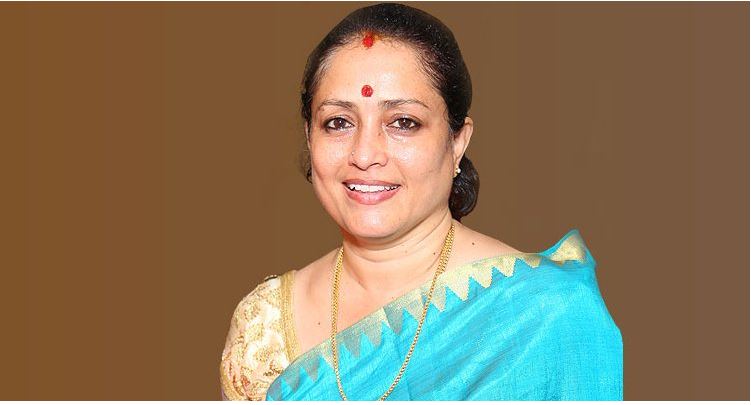
Piali Dasgupta, Senior Vice President - Marketing, Columbia Pacific

Today, senior citizens are roughly about 8% of India’s population and by 2050, they will account for 20% of the country’s population. This surge in TAM (total addressable market) will drive growth in the senior care market in the coming years. The current market size of senior care is estimated to be around USD 7 billion. According to a 2018 report by Agewell Foundation, senior citizens are emerging as an influential consumer segment as most senior citizens today continue to work past the retirement age. Therefore, they are no longer just dependent on pension and have great purchasing power. Healthcare constitutes 31% of their total spends. And therefore, there is tremendous potential specifically for health/lifestyle/wellness-driven businesses within the elderly care segment. While India’s population is growing at 2% year-on-year, the senior population is growing at 4% every year. And that is fuelling the demand for senior care products, coupled with the fact that senior citizens are a diverse cohort, and their needs, wants and affinities are heterogeneous. Today’s seniors are a far cry from senior citizens 30 years ago, who were less experimental and cautious about their spending. Seniors today are fiercely independent, understand that technology is a boon for them and invest in a host of medical and non-medical senior care products that add ease, comfort, and safety to their lives. Asia-Pacific is expected to see the highest growth rate in the assistive devices market from 2019 to 2026, and this includes both low-tech and high-tech products. Some of the product segments that have seen a surge in demand in the recent past are IoT products such as AI-based smart toilets and housing and assistive devices, as also other assistive technology products that improve the quality of lives of seniors such as assistive furniture, communication aids, speech, writing, hearing and therapy devices, adult diapers and reading aids. Senior citizens as a demographic have long been neglected by marketers, barring a few time-tested, wonderfully memorable advertisements such as Piyush Pandey’s brilliant ad for SBI Life Insurance, “Heere ko Kya Paata Tumhari Umar Kya Hai” done 11 years ago. It is only recently that brands and marketers have started acknowledging their presence as a demographic and representing this demographic in the communication they are crafting. A few great examples are Valentine’s Day campaign by Big Bazaar last year titled #LoveSabKeLiye, which was a heart-warming ad showing domestic banter between an elderly, middle-class couple. Google’s advertisement in 2013 featuring best friends across the border being reunited comes to mind as well. Then there was Tanishq, which did a Ganesh Chaturthi ad last year featuring a bunch of senior citizens surprising their “Vighnaharta” with a Tanishq pendant. Thomas Cook’s #NeverTooOld which talks about senior citizens making international travel plans or the delightful Vodafone ad in 2017 featuring an old couple using GPS to find their way around Goa are other examples. All of these ads hint at the growing purchasing power of today’s senior citizens and are a reflection of their changing lifestyles. The characters are fun-loving, jovial, tech-savvy, and living life to the fullest. And that is the right way to build narratives around senior citizens. The senior care market is at a nascent stage in the country, and in the next few years, it is likely to see a lot of new product and service launches and expansion of categories. Disruption is expected in this space. Logitech (technology for the aged) will become an important focus area and will see senior care companies creating wearable technology for senior citizens to ensure safety and security. The segment will witness a growing need for specialized and focused services for seniors – from travel to mental health care and financial advisory, and the emergence of boutique firms that will address this market. Given that an increased number of seniors will continue to work/consult part-time post-retirement, there will be an emergence of seniors-only networking platforms that will aim to enable seniors to find work that suits their requirements.  

Continue reading “How lucrative is the ‘elderly’ market in India?”

How lucrative is the ‘elderly’ market in India?

Piali Dasgupta, Senior Vice President - Marketing, Columbia Pacific

Today, senior citizens are roughly about 8% of India’s population and by 2050, they will account for 20% of the country’s population. This surge in TAM (total addressable market) will drive growth in the senior care market in the coming years. The current market size of senior care is estimated to be around USD 7 billion. According to a 2018 report by Agewell Foundation, senior citizens are emerging as an influential consumer segment as most senior citizens today continue to work past the retirement age. Therefore, they are no longer just dependent on pension and have great purchasing power. Healthcare constitutes 31% of their total spends. And therefore, there is tremendous potential specifically for health/lifestyle/wellness-driven businesses within the elderly care segment. While India’s population is growing at 2% year-on-year, the senior population is growing at 4% every year. And that is fuelling the demand for senior care products, coupled with the fact that senior citizens are a diverse cohort, and their needs, wants and affinities are heterogeneous. Today’s seniors are a far cry from senior citizens 30 years ago, who were less experimental and cautious about their spending. Seniors today are fiercely independent, understand that technology is a boon for them and invest in a host of medical and non-medical senior care products that add ease, comfort, and safety to their lives. Asia-Pacific is expected to see the highest growth rate in the assistive devices market from 2019 to 2026, and this includes both low-tech and high-tech products. Some of the product segments that have seen a surge in demand in the recent past are IoT products such as AI-based smart toilets and housing and assistive devices, as also other assistive technology products that improve the quality of lives of seniors such as assistive furniture, communication aids, speech, writing, hearing and therapy devices, adult diapers and reading aids. Senior citizens as a demographic have long been neglected by marketers, barring a few time-tested, wonderfully memorable advertisements such as Piyush Pandey’s brilliant ad for SBI Life Insurance, “Heere ko Kya Paata Tumhari Umar Kya Hai” done 11 years ago. It is only recently that brands and marketers have started acknowledging their presence as a demographic and representing this demographic in the communication they are crafting. A few great examples are Valentine’s Day campaign by Big Bazaar last year titled #LoveSabKeLiye, which was a heart-warming ad showing domestic banter between an elderly, middle-class couple. Google’s advertisement in 2013 featuring best friends across the border being reunited comes to mind as well. Then there was Tanishq, which did a Ganesh Chaturthi ad last year featuring a bunch of senior citizens surprising their “Vighnaharta” with a Tanishq pendant. Thomas Cook’s #NeverTooOld which talks about senior citizens making international travel plans or the delightful Vodafone ad in 2017 featuring an old couple using GPS to find their way around Goa are other examples. All of these ads hint at the growing purchasing power of today’s senior citizens and are a reflection of their changing lifestyles. The characters are fun-loving, jovial, tech-savvy, and living life to the fullest. And that is the right way to build narratives around senior citizens. The senior care market is at a nascent stage in the country, and in the next few years, it is likely to see a lot of new product and service launches and expansion of categories. Disruption is expected in this space. Logitech (technology for the aged) will become an important focus area and will see senior care companies creating wearable technology for senior citizens to ensure safety and security. The segment will witness a growing need for specialized and focused services for seniors – from travel to mental health care and financial advisory, and the emergence of boutique firms that will address this market. Given that an increased number of seniors will continue to work/consult part-time post-retirement, there will be an emergence of seniors-only networking platforms that will aim to enable seniors to find work that suits their requirements.  

Continue reading “How lucrative is the ‘elderly’ market in India?”

Tips for seniors to stay fit and healthy

Why do seniors experience added health problems during summers? Due to ageing, skin elasticity is lost and sweat glands start functioning at a low level, which disturbs the thermostat mechanism of the body. Therefore, seniors are more prone to dehydration when external temperatures fluctuate. The functioning of organs such as kidneys, heart, lungs and the digestive system is low in seniors, which makes them susceptible to water and electrolyte imbalances. What are the health problems faced by elders during summer? The most common problems faced by seniors are heat cramps, heat syncope, heat exhaustion, dehydration, and electrolyte imbalance. If an elderly person is overweight or obese and has diabetes, then excessive sweating because of the season may clog the skin and sweat pores which will predispose him or her to skin infections. What are the ways to handle these health problems in summer? Preventive methods – Ayurveda and Siddha talks about food being medicine. So the right kind of food taken during summer will protect one from seasonal health problems. -Consume fruits and vegetables that contain a lot of water such as melons, pumpkin, ash gourd, cucumber, etc. These add more alkalinity to the internal fluid which itself is a major step to maintaining electrolyte balance in the body. -Hydrating oneself well with adequate water is essential. At least 8 litres of water a day is mandatory if there are no restrictions on fluids. -Drinking buttermilk or tender coconut is beneficial. Buttermilk empowers the liver and protects it. Tender coconuts support the kidney in its proper maintenance of electrolytes. -If an elderly person has an ailing kidney, barley water helps in hydration. -Fresh lime juice with mint cools the system. Other protective measures -Avoid going out in the sun. Working outdoors can be restricted to timings closer to sunrise and sunset. -Bathing with neem, sandal, or turmeric based organic soaps help to keep the skin cool. They also help in protecting the skin from infections and boils. -If going out is inevitable, choose the latter part of the day. Even then one must wear UV protective sunglasses, a hat or use an umbrella. -Always carry a water bottle whenever going out to avoid dehydration and drinking from other sources as water borne diseases are common during summer. What are some of the activities seniors can indulge in during summer? Moderation in food, activity and rest are the cornerstones of healthy living. Exercise is a must for seniors. Physical activity in the form of walking, mindful movements such as Yoga and Taichi are important and must be a part of their routines. But one must keep in mind to be physically active only during early sunrise or after sunset. Dr. Karthiyayini Mahadevan, Head, Wellness and Wellbeing, Columbia Pacific Communities.

Continue reading “Tips for seniors to stay fit and healthy”

Tips for seniors to stay fit and healthy

Why do seniors experience added health problems during summers? Due to ageing, skin elasticity is lost and sweat glands start functioning at a low level, which disturbs the thermostat mechanism of the body. Therefore, seniors are more prone to dehydration when external temperatures fluctuate. The functioning of organs such as kidneys, heart, lungs and the digestive system is low in seniors, which makes them susceptible to water and electrolyte imbalances. What are the health problems faced by elders during summer? The most common problems faced by seniors are heat cramps, heat syncope, heat exhaustion, dehydration, and electrolyte imbalance. If an elderly person is overweight or obese and has diabetes, then excessive sweating because of the season may clog the skin and sweat pores which will predispose him or her to skin infections. What are the ways to handle these health problems in summer? Preventive methods – Ayurveda and Siddha talks about food being medicine. So the right kind of food taken during summer will protect one from seasonal health problems. -Consume fruits and vegetables that contain a lot of water such as melons, pumpkin, ash gourd, cucumber, etc. These add more alkalinity to the internal fluid which itself is a major step to maintaining electrolyte balance in the body. -Hydrating oneself well with adequate water is essential. At least 8 litres of water a day is mandatory if there are no restrictions on fluids. -Drinking buttermilk or tender coconut is beneficial. Buttermilk empowers the liver and protects it. Tender coconuts support the kidney in its proper maintenance of electrolytes. -If an elderly person has an ailing kidney, barley water helps in hydration. -Fresh lime juice with mint cools the system. Other protective measures -Avoid going out in the sun. Working outdoors can be restricted to timings closer to sunrise and sunset. -Bathing with neem, sandal, or turmeric based organic soaps help to keep the skin cool. They also help in protecting the skin from infections and boils. -If going out is inevitable, choose the latter part of the day. Even then one must wear UV protective sunglasses, a hat or use an umbrella. -Always carry a water bottle whenever going out to avoid dehydration and drinking from other sources as water borne diseases are common during summer. What are some of the activities seniors can indulge in during summer? Moderation in food, activity and rest are the cornerstones of healthy living. Exercise is a must for seniors. Physical activity in the form of walking, mindful movements such as Yoga and Taichi are important and must be a part of their routines. But one must keep in mind to be physically active only during early sunrise or after sunset. Dr. Karthiyayini Mahadevan, Head, Wellness and Wellbeing, Columbia Pacific Communities.

Continue reading “Tips for seniors to stay fit and healthy”

How is the market and growth potential of the senior living industry in India?

Mohit Nirula, CEO, Columbia Pacific Communities at an event

With changing social patterns and the growing number of nuclear families, the demand for homes designed for seniors is bound to rise. A massive senior population will require homes designed especially catering to the needs of the elderly. Communities designed with seniors’ needs in mind are increasingly becoming the lifestyle solution of choice, as well-managed communities serve the current and future needs of their residents. The senior population in India, which stood at 116 mn in 2018, will reach 158 mn in 2025. In four years from today, seniors will constitute 12 percent of the total population of the country. Of these, a staggering 67 mn seniors will be living in urban India. The overall population of the country is split 70 percent in rural India and 30 percent in urban India. The ratio for seniors is skewed more towards the cities, with 42 percent of seniors residing in urban areas. Over the past couple of decades, especially in urban India, family sizes have reduced, income levels have increased, and parents have taken pride in giving their children access to the highest quality of education that they could afford. Globalisation and rapid domestic economic development have given this young, well-educated demographic the opportunity to travel away from their home cities to different parts of the country and the world in pursuit of their careers. The senior demographic, in turn, has taken pride in their children’s growth and being financially independent, wish to retain their personal independence and not be either tagged to or become dependent on their children. As a consequence, an increasing number of parents are living away from their children – not out of compulsion but as a matter of choice. Instead of living alone in their homes or in apartments in mixed-family condominiums, senior living communities offer a lifestyle that takes away the headaches of daily living, as the service provider takes care of all needs such as security, common-area and in-home housekeeping and maintenance requirements, dining and cooking. Furthermore, the on-site medical support attends to the residents’ existing needs and are geared to evolve as these needs change over time. A combination of the daily services and medical support give residents the sense of security they need and their children the peace of mind that their parents are in good hands. A CII report of 2018 on demand for homes in senior living communities pegs the number at 2,40,000. The number of homes that are either available or are in various stages of development is less than 20,000. In the years to come, there are several additional factors at play that will cause a demographic shift in the population mix. Reducing birth rates, increasing life expectancy, and improved medical facilities will see senior citizens (over the age of 65) outnumber children (below the age of 5) for the first time in the recorded history of humankind. Traditions and social practices see parents supporting and caring for their children, and then, in turn, children support and care for their parents in their old age. It is for this reason that the unfortunately named “old age homes” carry with them the totally undeserved stigma of residents being “abandoned” by their children. However, the changing social realities of independent-minded parents and children, a changing world where parents and children pursue independent lifestyles not out of compulsion but as a choice, will see exponential growth in the demand for communities designed for seniors. Given the long gestation periods in the building of real estate projects, the gap between the demand and supply is only going to increase in the medium term. It will require visionary developers and service providers to understand the changes that are occurring and move rapidly to create the solution for the needs that already exist and which will only increase over time.

Continue reading “How is the market and growth potential of the senior living industry in India?”

How is the market and growth potential of the senior living industry in India?

Mohit Nirula, CEO, Columbia Pacific Communities at an event

With changing social patterns and the growing number of nuclear families, the demand for homes designed for seniors is bound to rise. A massive senior population will require homes designed especially catering to the needs of the elderly. Communities designed with seniors’ needs in mind are increasingly becoming the lifestyle solution of choice, as well-managed communities serve the current and future needs of their residents. The senior population in India, which stood at 116 mn in 2018, will reach 158 mn in 2025. In four years from today, seniors will constitute 12 percent of the total population of the country. Of these, a staggering 67 mn seniors will be living in urban India. The overall population of the country is split 70 percent in rural India and 30 percent in urban India. The ratio for seniors is skewed more towards the cities, with 42 percent of seniors residing in urban areas. Over the past couple of decades, especially in urban India, family sizes have reduced, income levels have increased, and parents have taken pride in giving their children access to the highest quality of education that they could afford. Globalisation and rapid domestic economic development have given this young, well-educated demographic the opportunity to travel away from their home cities to different parts of the country and the world in pursuit of their careers. The senior demographic, in turn, has taken pride in their children’s growth and being financially independent, wish to retain their personal independence and not be either tagged to or become dependent on their children. As a consequence, an increasing number of parents are living away from their children – not out of compulsion but as a matter of choice. Instead of living alone in their homes or in apartments in mixed-family condominiums, senior living communities offer a lifestyle that takes away the headaches of daily living, as the service provider takes care of all needs such as security, common-area and in-home housekeeping and maintenance requirements, dining and cooking. Furthermore, the on-site medical support attends to the residents’ existing needs and are geared to evolve as these needs change over time. A combination of the daily services and medical support give residents the sense of security they need and their children the peace of mind that their parents are in good hands. A CII report of 2018 on demand for homes in senior living communities pegs the number at 2,40,000. The number of homes that are either available or are in various stages of development is less than 20,000. In the years to come, there are several additional factors at play that will cause a demographic shift in the population mix. Reducing birth rates, increasing life expectancy, and improved medical facilities will see senior citizens (over the age of 65) outnumber children (below the age of 5) for the first time in the recorded history of humankind. Traditions and social practices see parents supporting and caring for their children, and then, in turn, children support and care for their parents in their old age. It is for this reason that the unfortunately named “old age homes” carry with them the totally undeserved stigma of residents being “abandoned” by their children. However, the changing social realities of independent-minded parents and children, a changing world where parents and children pursue independent lifestyles not out of compulsion but as a choice, will see exponential growth in the demand for communities designed for seniors. Given the long gestation periods in the building of real estate projects, the gap between the demand and supply is only going to increase in the medium term. It will require visionary developers and service providers to understand the changes that are occurring and move rapidly to create the solution for the needs that already exist and which will only increase over time.

Continue reading “How is the market and growth potential of the senior living industry in India?”

Columbia Pacific Communities: The genie every senior citizen needs

Mohit Nirula, CEO, Columbia Pacific Communities at an event

20 years ago, when Daniel R. Baty ­ the legend who established Columbia Pacific Group in Seattle in 1989 and championed the concept of senior living ­ visited India, he found that the country wasn’t ready for senior living communities. 17 years later when Daniel visited India again, he still felt that the country was not culturally ready for the change, but socially it had opened up to adapt to the global shift. Hence, he decided to offer senior living communities that are world class, safe and secure, giving peace of mind to seniors and their kin. “Social and demographic changes coupled with increasing wealth is leading middle-class Indians to live as nuclear families. Today, parents are willing to let their kids live free, grow, and be global citizens instead of clipping their wings. On the other hand, their children want their parents to live in a community that is supporting and letting them stay away from early aging ­ a community that steals their loneliness and provides them the opportunity to live a life they always wanted to,” explains Mohit Nirula, CEO, Columbia Pacific Communities. He continues, “What makes a senior living community successful is the way it is designed, run and managed which makes seniors live healthier, far longer because it is an extremely healthy, engaging, and active environment. So, the thought of removing loneliness and making them live longer and healthier is why it is the right time for us to think of senior living communities.” With this concept, Daniel and Mohit established Columbia Pacific Communities ­ India’s largest senior living operator. The company is a full service and solution provider in India, providing a range of services to its senior clients, starting from relocation services, valet parking, guest services, concierge services, Wi-Fi, health, and wellness centre, housekeeping, library, food, spa, technicians team, legal and administrative help, technology assistant, courier and postage services, religious rituals and ceremonies, horticulture, event planning, evacuation drills, and several others. What more? To ensure top class services without compromising on the quality of its offerings, Columbia Pacific Communities has divided its business into three sections ­ the first is real estate where it ensures acquiring land at the most suitable location, designing and constructing the building, and then selling it to future residents. The second section is based on hospitality and services. Mohit explains, “The reason why people buy homes in communities for seniors is not much for the home but for the services that they need from the day they move in and the services they require at the growing age over time. Hence, our services at the hospitality context are essential and integral to senior living communities.” The third section of the business is built on the foundation of healthcare. Columbia Pacific Communities understands that as people age over time, there needs to be a community to stand by them in terms of their medical needs, whether it is today or tomorrow. “Columbia Pacific Communities is an amalgamation of real estate, hospitality and healthcare. We stand strong by our promise of world class healthcare and our healthcare partner Columbia Asia Hospital empowers us to do so. We and the hospital are promoted by the promoters of Columbia Pacific Group. We are glad to have the four decades of international experience of the Group that is acting as our guiding light,” explains Mohit. In essence, this is what Columbia Pacific Communities is. The future residents of the communities get a home, world class services and healthcare, all under one roof. To ensure `no compromise’ on its level of services, the company sometimes partners with real estate developers to take advantage of their experience, whether it’s bringing in land in great locations at a reasonable price, or the ability to get approval or the economies of scale that comes in construction, cost and others. “And we bring in the design aspects because of our four decades of legacy in understanding the senior living community design, sales and marketing, and operations in healthcare. Between both the companies, the person who benefits the most are our future residents,” explains Mohit.   The JOURNEY, the GROWTH and the EXCELLENCE The world is a strange place! People, culture, food, taste and almost everything differ from country to country. But in India, this difference can be noted from region to region. With thousands of languages, cultures, dialects, food habits and more, it is difficult to paint them all with a single brush. Hence customization/personalization becomes more important. So, Columbia Pacific Communities followed a differential approach to ensure they meet every client’s needs. Mohit asserts, “The very first step post establishing a base in the country was to acquire companies which allowed us the privilege to serve nine communities. And all of these in just two and a half years ­ serving 3,000 seniors in 1,600 homes spread across nine communities in five cities of Tamil Nadu, Karnataka and Puducherry. This proved as a learning lesson for us as well, where we got to know what works well and what works better while serving and looking after our residents, and putting the experience into use, we have started looking into designing our own communities.” The company has recently launched its 10th community called The Virtuoso Club and Serviced Residences, in Bangalore. The project is under construction and is likely to get completed by October 2022. Columbia Pacific Communities has also entered into a 50-50 joint venture with Embassy Group in Bangalore, one of the region’s finest developers and with Nyati Group in Pune. The company will shortly add projects in Chennai, Kolkata and Hyderabad. Mohit feels that there is a lot of growth and excitement within the company and the organization is really keen on fulfilling its vision of being the country’s largest, best and most preferred developers for community living for seniors. While the world was still fighting the pandemic, Columbia Pacific Communities experienced a considerable growth. “It’s been a busy two and a half years because of the good work done by our team. Remember we are still fighting a pandemic which has impacted seniors in the worst possible manner. However, our team’s hard work is ensuring we remain busier for the next two and a half years”. He continues, “Especially in the past 10 months, ever since we realised that we have to be acutely watchful of what the pandemic can do to our community, we have ring fenced our communities completely to isolate from the external environment and provide our residents all the services they needed within the communities without having them to expose them to any external threat.” Going a step forward, Columbia Pacific Communities took cognizance of the fact that social distancing doesn’t result in social out-passing or loneliness for their community residents. It had every protocol in place to ensure senior citizens live actively engaged social lives without putting them at risk.   The Three PROMISES Standing strong on the three pillars of zero-headache lifestyle, positive aging, and a community standing with you, Columbia Pacific Communities walk each of them, literally. From security needs to housekeeping needs, both in the community and inside the house, from daily and monthly cleaning to preventive cleaning, from watering your plants to taking care of your dining needs including special food requirements due to medical or health reasons, seniors get every facility within the boundaries of the communities. This ensures zero-headache, and they have all the time to themselves to spend walking, playing, listening to music, visiting friends, or watching movies. `Positive aging’ is a special brand promise of Columbia Pacific Communities. It’s not just two magical words but it actually creates magic by de-linking one’s physical age with the concept of aging. “Just because you are 60 doesn’t mean you have to act like you are 60. We would want you to be physically fitter, mentally more alert, intellectually more stimulated and spiritually more enlightened in a social environment,” Mohit highlights. Hence, Columbia Pacific Communities has a packed resident engagement programme that gives people the opportunity and space to engage with like-minded people in their pursuits. This keeps one healthier for longer because one is not sitting idly on the couch staring at the TV and holding the remote. Mohit underlines a very important aspect of aging. He says, “With aging, the radius of your ability to interact with people gets smaller as you have to depend on various factors including a driver, a car, traffic, parking space and more. These hassles might confine your thoughts to go out to any function or meet someone staying at the other corner of the city. Hence our programs ensure that our senior residents spend a lot of time outside in the common areas, thus ensuring they age positively. Built on the foundation of healthcare, Columbia Pacific Communities stands with its residents. Hence it offers 24/7 nurse, driver availability, and 24/7 ambulance on standby. The communities also have doctors visiting on a daily basis, while the premium segments have doctors available throughout the day. This ensures the residents’ needs are addressed instantly. The company also has relationships with nearby hospitals and offers residents the `Golden Hour’, during which a resident can be shifted from his/her bed to a hospital bed within 60 minutes in case of any emergency. Mohit asserts, “We have arrangements with the nearest hospitals whereby there is a seamless entry of the patient in the hospital as the patient’s medical history and data is already shared. This ensures the shortest possible admission in the hospital and one has the best chance of recovery. “Obviously, these don’t happen overnight or on their own. These are practiced, drilled down the legacy line, checked and audited to ensure this happens seamlessly,” he adds.   Giving you the PEACE of MIND Families in India are strongly bonded with love, care, and empathy. Despite all the facilities that their parents might be receiving at senior living communities, kids always have one corner of their brain engaged thinking about their wellbeing. To give them peace of mind, Columbia Pacific Communities is developing a software which will provide all the necessary updates about their residents to their kin. Whether it is their daily walk, health checkup, medial test reports, or others, the software will instantly update the children about their parents’ day-to-day activities. Not just this, the residents can do a lot using the software. They can connect the residents with the community operations, their neighbours and should they wish, it will also be accessible to their friends and family. “They should be able to use the technology platform to do everything they wish to, whether it is booking a seat for a film, sending an invitation to another friend in the same community asking to book his/her seat, while also notifying their children about it. The idea behind developing this technology platform is to reduce distances while ensuring our resident’s privacy,” explains Mohit. “The world is a strange place! People, culture, food, taste and almost everything differ from country to country”   The team that makes it POSSIBLE Great work isn’t possible without a great team, and Columbia Pacific Communities is proud of its members, whether its doctors, nurses, drivers, housekeeping staff, cooks, service personnel, operations teams and others. Hence it ensures that people offering the most critical services stay within the communities. But where the costs are much higher, the staff stays at homes near the community rented by the company. “Our teams are generally led by Resident Managers and are divided into departments like security, housekeeping, engineering, nursing, gardener and others, mostly staying within the community for easy access,” says Mohit. To ensure utmost safety, Columbia Pacific Communities does the background verification of every employee at the community level. “Families in India are strongly bonded with love, care, and empathy. Despite all the facilities that their parents might be receiving at senior living communities”   The VOID that needs FILLING Having all the necessary licenses required to operate senior living communities in India (RERA, food safety and sanitation and basic clinic license), Columbia Pacific Communities has footed its roots at the right place. However, unlike the West, the ecosystem in India is not highly regulated and there is much that needs to be done to promote senior living communities in the country. Hence the company and few others together have created Association of Senior Living in India (ASLI). ASLI engages with the government on various issues pertaining to senior living, whether it’s allocating a land for the community within the city, or higher pay to the maid and cooks in the structure form due to the inclusion of GST, which they wouldn’t have paid in the unstructured manner. “There is a concept of reverse mortgage, where 90 per cent of our residents know that the house they are living in will not be used by their children. So why not allow them to take advantage of this through the reverse mortgage model,” questions Mohit, adding, “There are many such things that can be done to make senior living a little easier and happy. Hence, we try to reach out to the government through ASLI.” Columbia Pacific Communities is not just appealing to the government to make senior living a breeze but is also engaged in creating awareness among citizens. It sees a huge opportunity and demand for such communities in the coming days and hence is working on adding 20 more communities at the rate of four every year for the next five year in various stages of design or possession. Mohit signs off by saying, “Bricks and cement will finish, but the demand for senior living communities in India will not.”. And if the United Nations Population Fund and HelpAge India’s report is anything to go by, Mohit has more than a point because India’s elderly population will grow to 173 million by 2026.   Mohit Nirula, CEO Having a great career spanning over three decades, Mohit has largely built his career graph at The Oberoi Group. Within a decade of his role in the organization, he took leadership roles across various brands of The Oberoi Group and across geographies. At Columbia Pacific Communities, he uses his learning of the past three decades to build a world class senior living community to provide a safe, secure, and engaging lifestyle in an environment of genuine warmth and care.

Continue reading “Columbia Pacific Communities: The genie every senior citizen needs”
testing

Don’t miss out on our biggest sale of the year. Get 70% OFF on our selected products.

Contact Us
x

Please fill the form