The last two years have has brought a lot of prominence to one’s gut health. A healthy gut keeps the body healthy. We have more than 100,000 billion microbes in our intestine. Gut microbiota, which are microorganisms including bacteria, archaea and fungi that live in the digestive tracts of humans, animals and insects, helps in maintaining our immunity. Additionally, it helps in digestion and the absorption of nutrients, vitamin production and decreases inflammation. Food fix Some foods that can improve gut health are yogurt, buttermilk, almonds, berries, citrus fruits and bananas. Curd, cheese, rice overnight fermented, pickle (in brine), raw unpasteurised apple cider vinegar with mother (the somewhat murky collection of cellulose and acetic acid bacteria in the vinegar), sauerkraut (fermented cabbage), kimchi, tempeh, etc. are all sources of good bacteria — lactobacillus. Additionally, garlic, onion, barley, oats, banana, flaxseed, whole grains with bran, etc. are ideal choices for fibres to feed the gut bacteria. Foods such as cooled plantains (green banana), rice and potatoes convert to resistant starch, which also feeds the good bacteria. Green tea, turmeric, omega 3 rich oily fish like sardines, mackerel to chia seeds have powerful properties to maintain the integrity of the gut lining. Cocoa and dark chocolate are some welcome options to increase bifidobacteria. According to Geetha G H, a registered dietitian, sports nutritionist (International Olympic Committee) and certified diabetes educator, eating right and keeping fit is the first line of defence that not only elevates wellness but also prevents illness. “Do remember to space your fibre-rich foods adequately in all meals as they contribute to flatus. Consume plenty of water alongside to prevent constipation. Similarly, consuming fermented foods can cause some gas or bloating. Start with small portions, preferably in the daytime to ease digestion when one is more active,” she explains. Eat right Ayurveda recommends herbs like long pepper, black pepper and dry ginger powder to be used as a seasoning for all foods. Those with sluggish bodies and people who put on weight easily can benefit from strong herbs like cloves and peppers. Additionally, melatonin is proven to affect intestinal motility and aid secretion of intestinal enzymes. Jatin Gujrati, business head of the Hyderabad-based Ayurveda brand Vedix, also notes that sipping warm water throughout the day keeps the intestines moving, increases blood flow and aids absorption. “Chilled drinks, including water, constrict the blood vessels and impair digestion and absorption, especially when they accompany meals,” cautions Jatin. “As a habit, one should sip just hot drinks with food.” Additionally, Jatin points out how we also need to mind our body clock when it comes to gut health. “Our bodies have very sensitive internal clocks. When you eat at the same time every day, it aids gut health,” he explains. “Food should not be consumed after 11.00 pm as that is when your metabolic ‘fire’ kindles. Eating at this time precipitates metabolic diseases.” Dr Karthiyayini Mahadevan, head of wellness and well-being at Columbia Pacific Communities, also talks about how important it is to eat good portions of fibre and more insoluble fibre from plant sources. “This will nourish the gut flora,” she says. “Our gut microbes outnumber the trillions of cells within our bodies and maintain our gut health.” Speaking of how the colonisation of the gut flora occurs even before we are born, Dr Karthiyayini tells us that this gut flora mark specific signatures on our immune system. “This is because the lining of our gut has a lot of cells that play an important role in defending our gut from several types of bad bacteria. A good balance of gut microbe supports the immune system. Gut health contributes a lot to our immune system and good gut health implies good life,” elaborates the doctor. Health factor A healthy gut can control appetite and weight, moderate metabolism, enhance absorption of vital nutrients and help manage anxiety depression and irritable bowel syndrome and prevent several neurological disorders. Dr Adarsh CK, Chief Consultant Gastroenterologist and Hepatologist, BGS Gleneagles Global Hospital, states that gut microbiome changes are also linked to diabetes, cardiovascular diseases, obesity, hypertension, irritable bowel syndrome, inflammatory bowel disease and some neuropsychiatric disorders. In fact, according to Dr Shamna, general surgeon and consultant general and laparoscopic surgeon, Specialist Hospital, Bengaluru, a healthy human being has is a symbiotic relationship between the gut microbes and the human host. “Role of the gut microbes (‘microbiota’) includes developing and maintaining immunity, helping in digestion, providing vitamins like B2, B12 and folic acid (B9) and keeping disease causing bacteria in check,” Dr Shamna adds. Mind games The gut bacteria influence several neurotransmitters and can underpin our response to stress, which is an integral part of living. In fact, several experts now say that the gut is the second brain and there is a clear gut-brain axis. Also, 95% of the feel-good hormone serotonin comes from the gut. At present, we live in a world of infections and environmental pollution, which has compromised our body immune system function. Dr Vishnu Satheesh, Atmantan Wellness Centre, points out that even our happy hormones is produced in our gut and transported to the brain. “Latest researches have proven there is strong relation between depression and gut as well. So, keep your bugs in your gut healthy to keep a strong mental health,” he explains. When you don’t pay attention to your gut, several problems arise, most of which have the potential of becoming serious and chronic problems. According to Simrun Chopra, Deep Health Coach and founder Nourish with Sim, gut health has also been linked to anxiety and depression in recent times. “A poor diet adds to poor lifestyle habits such as stomach disturbances like gas, bloating, constipation or diarrhoea, stomach pain, nausea and heartburn, mood disorders, anxiety or depression,” she opines. Tips for a good gut · Consume plenty of fruits and vegetables, legumes, nuts and seeds. · Add curds, buttermilk and yogurt to your diet. · Avoid fried foods, red meat, alcohol and fatty meals. · Avoid sugary drinks, artificial sweeteners. · Drink plenty of water. . Regular physical activity and exercise with sufficient sleep.
Continue reading “Gut matters”NEWS of Columbia Pacific Communities
Top Health Concerns For Seniors
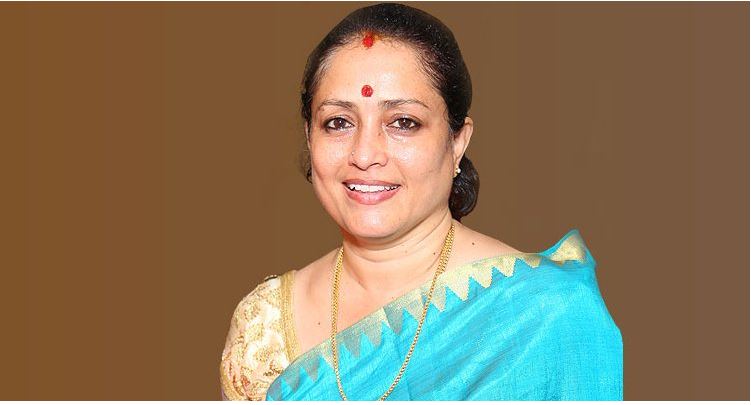
There are many challenges imposed by COVID-19. One of these is the fear of visiting hospitals. COVID-19 has filled people’s minds with distress and fear of the unknown. For senior citizens, regular health follow-ups during lockdowns were delayed particularly for those who are diabetic or suffer from coronary heart disease. Many seniors also could not reach out to their physicians either due to their unavailability or inaccessibility to hospitals. Top health concerns During these challenging times of the pandemic, health concerns are broadly segregated into predisposed conditions, precipitated conditions, aggravated conditions and those which are regressed and remitted. Predisposed health concerns At the physical level: Those staying indoors and experiencing a lack of sunlight are predisposed and prone to reduced bone density especially in the case of women in menopause and physically dependant seniors. With the restriction on their movements, they become osteoporotic and their susceptibility to weaker bones is increased, thereby leading to fractures even with minor falls. At the emotional level: Those who were predisposed to anxiety and phobias. At the mental level: People are predisposed to impulsive decisions due to a clouding of the thought process. Precipitated health concerns At the physical level: Due to lack of physical activity, there is precipitated overweight, obesity, muscular imbalance and consequent myalgias and postural imbalance due to the weakness of disused muscles and deep vein thrombosis. At the emotional level: The fear of getting infected leads to increased proactive but unresearched precautionary measures, which in turn results in paranoia, anxiety neurosis and obsessive compulsive neurosis. At the mental level: Too much of information consumption leads to mental exhaustion resulting in Chronic Fatigue Syndrome. Aggravated health concerns At the physical level: Lack of physical activity and imbalance in nutrition brought about uncontrolled diabetes mellitus, high cholesterol levels resulting in fatty liver and gall stones. At the emotional level: Subclinical depression showed up as a manic phase of depression due to fear of loneliness and isolation. At the mental level: Indecisiveness and lack of focus and concentration led to uncontrolled thoughts resulting in insomnia. Regressions and remissions in health concerns At the physical level: Due to inadequate follow-up for certain neurological conditions with movement disorders led to regressions in conditions such as dementia, Alzheimer’s and Parkinson’s. At the emotional level: Bipolar disorders showed up with remissions and an increase in suicidal tendencies. At the mental level: Disinterest and disinclination to stay connected with the world led to accelerated ageing, impairment of cognition and comprehension of thoughts. Conclusion COVID-19 has thrown light onto many spheres of human life. Secure and adequate finances was not enough to overcome COVID-19. One could not get oxygen supply or access to hospital beds despite having enough money. The most important learning was to be sensitive to one’s own health at all levels. We can all maintain our life reserves through a healthy lifestyle at the physical, emotional and mental level. This is an achievable task in the newer outlook of living together with like-minded people as a community. So, we must change our perception and outlook about senior retirement communities and understand the difference between senior living communities and old age homes. The latter is a haven of positive ageing where physical distance did not mean social distancing and all neighbours and friends bonded together to fight the invisible enemy.
Continue reading “Top Health Concerns For Seniors”Senior living facilities see rise in demand as children eye assisted living for parents

Senior living residences have witnessed an increase in demand after two waves of Covid-19, as a younger set of people are now booking these facilities, said operators and consultants. While the demand for under-construction facilities has doubled, there is a waiting period for ready-to-occupy projects as most of the units were sold during the second wave of Covid-19, they said. “Earlier, most of our bookings used to be by people in the age group of 65-70 but after Covid, the average age of buyer is 50-65. The youngest buyer is 48 year old, and younger people are buying with friends so that they can live with them when they are old. The demand has increased three-four times,” said Mohit Nirula, CEO of Columbia Pacific Communities. The company, which operates 1,600 homes across nine projects, plans to launch 800-1,000 homes every year. “Children who live abroad are keen to explore senior living facilities for their parents. Demand has gone through the roof and we will remain focused on developing senior living facilities in the south India market,” said Nirula. Columbia Pacific group has tied up with Nyati group to develop senior living housing projects and will build the first project jointly in Pune. According to Vinit Dungarwal, director, AMs Project Consultants, senior care services in India are still at a nascent stage but the demand for such services is increasing rapidly. The majority of the elderly population, despite their financial resources, had been left to imanage without house help or to deal with medical emergencies during the pandemic. This pushed many people in this age group to seek a house in a senior living facility. “In this post-pandemic phase, enquiries for senior living apartments have increased 25-30%. Many of these upcoming senior living projects have sprung up mainly on the outskirts of major cities and tier II and III cities across the country. Region-wise, it is the southern cities that have a majority share of 69% in these projects,” said Dungarwal. Antara Senior Living, a wholly owned subsidiary of Max India, said that the Dehradun facility of the company has sold three-four units a month as compared to one-two before Covid-19. The company’s Noida facility, which was launched last year, has been consistently selling seven-eight units a month. “We have already sold 170 out of 330 units in Noida, which will be operational from December 2024. The Dehradun facility is fully operational while the upcoming Gurgaon facility will have 250-300 units. In the next five years, Antara wants to launch 35-40 care homes and three-five communities overall,” said Rajit Mehta, CEO, Antara Senior Living. Some of the features that people are looking for in senior citizen homes include a wheelchair friendly campus, anti-skid flooring, and an entrance with peepholes. Also desired are a convenience store in the vicinity or within the campus, banking facility nearby, holistic healthcare and easy access to medical assistance. Axis Ecorp Solutions, which is into holiday homes, is also mulling to venture into this segment. “For this, we have already earmarked a budget of Rs 200 crore and are scouting for potential international partners to collaborate for a senior living complex. We are very bullish in this segment and are already in process of finalising land in Goa. We seek to offer international standard, resort-style living to the elderly through this project,” said CEO Aditya Kushwaha. The Covid-19 crisis made many in India realise the need for assisted-care homes and that in turn has propelled the demand for this niche segment. In addition to this, many elders who stayed in joint families are now opting to live in senior living homes. Both these factors have given a fillip to the demand for residential complexes for senior citizens. “Earlier, senior living had a negative connotation but the concept is rapidly changing now. Unlike the dingy, dark and unkept structures, most modern-day senior care facilities boast state-of-the-art infrastructure and design capabilities that are carefully planned and executed to cater to the diverse and evolving needs of this age group,” said Kushwaha.
Continue reading “Senior living facilities see rise in demand as children eye assisted living for parents”Future of senior living projects as an asset class
In a country like India with a steadily increasing senior citizen population, the growth of the senior living segment has been a noteworthy development in the real estate sector. The concept of senior living homes, which has been widely popular in the west, is now gaining popularity in India and giving seniors a choice to lead an independent and secure lifestyle they truly deserve. The COVID-19 pandemic has brought focus on the need for accessible healthcare for the elderly. More importantly, it has increased the demand for senior living homes that cater to the unique lifestyle needs of the elderly. To understand and explore the growth potential of the senior living segment in India, Housing.com conducted a webinar on the topic ‘Future of senior living projects as an asset class’. The panelists at the webinar included Ankur Gupta (joint managing director, Ashiana Housing Ltd), Mohit Nirula (CEO, Columbia Pacific Communities) and Mani Rangarajan (group COO, Housing.com, Makaan.com and Proptiger.com). The session was moderated by Jhumur Ghosh (editor-in-chief of Housing.com News). Impact of the COVID-19 pandemic on the senior living segment The COVID-19 pandemic has severely impacted people from all walks of life. It also brought many challenges for senior citizens, not just on the health front but also in meeting everyday needs like groceries and pharmacy. Highlighting the impact on the senior living segment, Gupta said, “After the pandemic and when the lockdowns were lifted, we saw a lot of demand, not just from seniors but also from their children who wanted to make sure their parents were safe. From a demand perspective, it has been a phenomenal journey over the last one-and-a-half years. Even before the pandemic, among the things that have been changing, is the idea that people were able to differentiate between an old age home and senior living. People are able to identify that senior living is a lifestyle choice.” Nirula from Columbia Pacific Communities that manages senior living communities across five cities, drew a comparison between the experience of senior citizens who had been living alone or in mixed-family condominiums to the kind of experience that communities designed for seniors offer. He observed that in an urban environment, where people depend on a lot of home services and external agencies, the demand for senior living communities has increased owing to the easy access to such services they provide. He added, “We have noticed that in our read-to-move-in communities, there is a waiting list, since the need is urgent. In communities that are under development, a new phenomenon that we have seen, is the fact that buyers have become younger. While the youngest, earlier, used to be 60-65-year-olds, the buyers now are in the age group of 48-55, who are looking at moving to a community where everything that one needs is given by the service provider. It is a big differentiator between an old age home versus a community designed for seniors.” He further said that this kind of living would be the preferred option for seniors in the future. Speaking on the importance of medical care for the elderly, especially those dealing with specific health issues, Rangarajan highlighted the need for geriatric care in senior citizens and the facilities available at the continuing care retirement community (CCRC). He stressed on the concept of senior living and the need for specialised facilities like anti-skid tiles, grab bars, alarms and the availability of ambulances for the seniors. He said, “In India, there has been a social stigma attached to old age homes. However, things are changing. These centres are not old age homes but community centres that allow seniors to lead a happier and comfortable lives.” Senior living homes vs old age homes Speaking on the taboos associated with old age homes, Ghosh mentioned, “Until a decade ago, the stigma attached to the concept of old age homes was a business hindrance to these kinds of senior living projects. Businesses have had to cope with the misconception.” Gupta pointed out that people having elderly parents are now beginning to understand the concept of senior living communities, where their ageing parents will have access to the best facilities and medical care. He emphasised that more and more senior citizens are now open to the idea of leading independent lifestyles in these communities. Nirula added that the country has seen a humongous change in the last 15 years. With globalisation and access to educational opportunities, children and their elderly parents, in many cases, have started living away from each other. In such a scenario, the senior living communities provide an ideal environment where one’s daily needs are met and there are wellness programs for ensuring one’s overall well-being, he revealed. The need for assisted living facilities in senior living projects A term widely used in the west, ‘assisted living facilities’ are a prominent feature of senior living projects. If a senior requires medical care or support in executing specific activities, they will receive round-the-clock assistance in these communities. Nirula mentioned that the objective of senior living homes, was to deliver an increasing level of support to seniors, based on their evolving needs. He also highlighted the provision of on-site nursing care. “Any senior living community in India must allow for the resident to be with the medical professionals from the date they enter until the date they leave,” he said. Agreeing to the need for specialised care for seniors, Gupta added that it was also about the different kinds of activities that seniors could do in these communities for their mental and physical health, thus, improving their quality of life. “One of the biggest challenges that groups of senior living providers will have, is to figure out whether the segment should evolve on the lines of the western concept or in an Indian way, which will be more beneficial and affordable for the consumer and ensure an independent and higher quality of life,” he maintained. An overview of the current market trends The experts were of the view that although it was a niche segment, senior living was growing and expected to evolve and witness increased demand. They believed that the concept had to evolve into the mainstream before any regulatory mechanism could come into effect. Speaking on the high demand for senior living projects, Gupta said that most of the consumers were opting for under-construction properties. “If you are going with other developers, it is important to check their credibility and their past records and RERA, to ensure your finances are safe. Most homes in India right now are very limited on rental models. If one is looking for lease, then, it is possible only through an owner who has purchased a property in the project,” he pointed out. “The decision-making of a buyer should be driven by the services on offer in these projects and that should happen, once they have ensured there is a credible track record. RERA does ensure protection on the asset for the consumer,” Nirula remarked. According to him, the right time to buy a home would depend on the need of the consumer. He also stated that such assets appreciated in price, during the life of the project. A senior living project can increase by 18% to 20% in price, he said. Experts also opined that senior living projects had a significant resale potential. They also maintained that rentals for these projects ranged between 3% and 4% of the total property value. Giving insights from the business perspective and on the current home buying trends, Rangarajan shared that Proptiger.com witnessed significant demand from the NRIs. A significant number of projects were under construction, with limited availability of ready-to-move-in projects. “People are mainly concerned about the quality of life and quality of medical care they will have access to, in these projects. Secondly, people are paying a lot of attention to the overall design and layout of the apartment with special facilities for the elderly,” he said. What do these senior living communities offer? Equipped with the finest of amenities and caregiver services, senior living homes also deliver assistance for the elderly when it comes to getting immediate medical attention. The experts said that these communities have skilled medical staff and have tie-ups with leading hospitals, thus, ensuring that the seniors always have access to timely and quality medical care. Most of the senior living communities in India are located away from the city centers. The experts said that apart from providing easy access to medical care and facilities to meet the lifestyle needs of seniors, these projects include vast open and green spaces and a pollution-free environment. They also highlighted that the proximity to quality medical infrastructure was one of the factors for site selection in such projects. Correlating the emergence of the senior living segment with the growth of the ‘silver economy’, the panellists concluded that, with the rising percentage of the elderly population in the country, the segment was expected to witness huge demand in the times to come.
Continue reading “Future of senior living projects as an asset class”How COVID-19 impacted demand for senior living in tier 2 and 3 cities?

The pandemic and the consequent restrictions it brought on daily living and social interactions highlighted the difference in experience of seniors living in independent homes or apartments that were part of mixed-family condominium complexes and that of residents of a senior living community. Seniors living on their own have to depend on several external resources to support their activities of daily living. This involves different persons who provide security, housekeeping and laundry support, gardening, chauffeur, cook and all sorts of deliveries that come to their doorstep from newspapers to services such as online shopping and food deliveries. During the pandemic, not only were these deliveries severely restricted, but every incoming person increased the risk of infection. In mixed-family condominiums, senior residents were dependent on the protocols devised by the Residents’ Welfare Associations. These protocols were more often than not compromises designed to manage the expectations of the diverse population occupying the community and oftentimes were not in the best interest of the most immuno-compromised demographic – the seniors. On the other hand, residents of senior living communities were able to have their daily needs fulfilled, have medical support at hand and a daily calendar that ensured physical distancing did not cause social isolation and brought peace of mind to the residents and their families. Consequently, the senior living industry has seen exponential growth in demand for both ready-to-move-in communities and those under development. Columbia Pacific Communities has the privilege of serving senior living communities in the metro cities of Bengaluru, Chennai. Furthermore, we also serve communities in the smaller cities of Coimbatore, Kanchipuram and Puducherry. We now have a waiting list of future residents who would like to move into these communities. They are open to purchasing homes on re-sale or availing of the services of the community as tenants. At the same time, our website, www.columbiacommunities.in has seen a 4x increase in organic visits which is reflective of the increasing awareness of and interest in senior living communities. The CII report in 2018 on the Senior Living Industry estimated a requirement of over 200,000 homes as part of communities designed with specific needs of seniors in mind. At that time, the total number of homes under various stages of development were 20,000. Seniors are the fastest-growing demographic within our population mix. This growth in numbers of seniors combined with the growing nuclearisation of families has resulted in an increased incidence of seniors staying alone. With the long gestation period required for creating communities, this 10x gap between supply and demand has only increased. Indians have always seen education as an enabler of upward mobility. Parents have unhesitatingly invested a large portion of their earnings to provide their children with the best education possible. Globalisation has allowed these individuals to pursue their careers and growth across the world. As a consequence, the demographic of 50 plus individuals who are proud of their children’s advancement, who do not wish to relocate from their home city and are staying alone has grown and will continue to grow exponentially. COVID-19 and the resultant experience of both the parents and their children over the last 15 months have made senior living communities the preferred lifestyle option for seniors living on their own.
Continue reading “How COVID-19 impacted demand for senior living in tier 2 and 3 cities?”Real estate trends for senior living in India in 2021

The real estate industry, like every product or service industry in the world, has been impacted by the pandemic and the changes it has wrought on how people live, work, and interact. The real estate industry encompasses within itself verticals that have seen a tectonic shift in how people interact with the product. Commercial spaces have to rework their business model to factor that lessees now seek a revenue share model instead of a fixed monthly rental. The new “work from anywhere” model has the potential to disrupt the co-working and co-living spaces. We have to wait and watch how the new hybrid model of working impacts the industry. On the flip side, gated communities have become more attractive for families that have thus far been living in independent homes. The fact that a single service provider ensures the delivery of many services that one has to otherwise depend on multiple external people and agencies is a blessing. When one combines all the advantages of a mixed family condominium – security and common area maintenance with the specialised functions that are available in a senior living community, one can understand the reason for the 4x spike in demand for homes in communities specially designed for seniors. To be able to enjoy in-home housekeeping and maintenance, chef-prepared and home-style meals in the restaurant, or have them delivered to the home, allows the residents to spend their time doing things they want to instead of worrying about the things that they have to do. In addition, the presence of round-the-clock nursing support ensures peace of mind for both the residents and their families. Most importantly, good senior living communities should offer a scientifically designed wellness and wellbeing programme that encourages social interaction thereby ensuring that friends, activities, and interaction is just an elevator ride away for the residents. At Columbia Pacific Communities, we have seen two distinct changes in our future residents – the demand for ready-to-move-in communities from older residents of 70+ and demand for our new communities from a much younger demographic of 50+. Furthermore, there is a distinct increase in the number of inquiries from children for their parents. The success of a senior living community is best gauged by the happiness levels of the residents. While the quality of the home is an important contributor to this happiness, it is critical that the daily services, daily activities, and healthcare facilities meet and exceed the expectations that residents have for themselves. As a consequence, there is an increased interest from developers to partner with senior care providers to create senior living communities as a part of their integrated townships. To have this product and service solution enhances the facilities within their township, adds texture to the community, complements and supplements the product of the residential home they offer since the target markets for regular residential and senior communities are separate and unique. 2021 will be a tipping point for senior living communities with these becoming the preferred options for seniors and will become a mainstream solution that will be sought by parents for themselves and by children for their parents.
Continue reading “Real estate trends for senior living in India in 2021”A change in depiction of seniors in brand narratives

Senior citizens occupy 8% of the country’s population and this number is set to treble in the next thirty years. Seniors are the fastest growing demographic in the country and is the only demographic that is showing a double digit growth. Today’s senior citizens are an important consumer segment with great buying power. Brands and advertisers, after having neglected this fact for a long time, are slowly waking up to it. And so, the number of ads featuring senior citizens have increased in the recent past, although it’s not a hockey stick growth curve yet. Examples of wonderful narratives featuring seniors include the Valentine’s Day campaign by Big Bazaar last year titled #LoveSabKeLiye, a heart-warming ad showing domestic banter between an elderly, middle-class couple. The Tanishq ad last year during Ganesh Chaturthi featuring a group of senior citizens surprising their “Vighnaharta” with a Tanishq pendant. Thomas Cook’s #NeverTooOld which talks about senior citizens making international travel plans or the delightful Vodafone ad in 2017 featuring an old couple using GPS to find their way around Goa. The good news is that brands are depicting baby boomers in a fresh new avatar, eschewing age-old stereotypes (read:cranky, old next dooruncle, or the conservative aunty) attached to this generation. Whether it’s the recent CarDekho “E for Elderly” campaign that had an adorable elderly couple using sarcasm to call out the way the youth treat elderly drivers, or a buoyant Neena Gupta doing her version of a hip hop in the Brooke Bond Red Label #LetUsUnstereotypeIndia campaign, brands today are depicting seniors as a fun, irreverent, confident bunch with an envious sense of humour. Remember the adorable daadi in British Airway’s #FuelledByLove ad that made the campaign go viral on Twitter in 2016? And the delightful old couples in the Vodafone and SBI ads? The latter in Piyush Pandey’s iconic ad “Heere ko kaisepatatumhariumarkyahai?” The one thing that’s common among all these ads and their narratives is that they all hint at the growing purchasing power of today’s senior citizens and are a reflection of their changing lifestyles. The characters are fun-loving, jovial, tech-savvy, and living life to the fullest. Featuring baby boomers in brand communication results in narratives that are high on EQ. It’s why the Pond’s Cold Cream “Dadu” ad done last year by Ogilvy Mumbai pulled at our heartstrings. Similarly, some of us still remember Help Age India’s “daadi” ad from 2016 that told children of the elderly that it was their time to care for their parents. Columbia Pacific Communities’ recent campaign featuring noted author Ruskin Bond depicted him as an individual who is living his best life at the age of 87, looking forward to each day with childlike enthusiasm. Indian advertising featuring seniors has come of age, and we are finally seeing nuanced pieces of work that depict the modern, future forward senior citizens that are not afraid to own their lives and see retirement as a glorious phase of their lives.
Continue reading “A change in depiction of seniors in brand narratives”Delaying the process of ageing with the right food, nutrition, exercise and positive thoughts.
Ageing is a physiological process that paves the way to connect with the world with earned wisdom. This process needs to be embraced with grace. In ancient Vedic days, a human being’s life was divided into different ‘varnashrama dharmas’, which guided their lives. After active service in the world was accomplished, everybody, whether a king or a common man, followed Vanaprastha – retiring to the forests. In the modern age, even though there is retirement from active services in the world, elders are still active in their minds. It is not ageing, which is a problem, it is accelerated ageing that is a problem, wherein one enters this process earlier than their biological age. What brings about ageing? Ageing at the physical and physiological levels happens due to gravity posed changes in the human organs and system. Our organ systems are endowed with certain capacities which are known as cognitive reserve, reserve lung volume, cardiac reserve, etc. All these reserves are maintained through healthy lifestyle and this is most needed when one enters a phase of life when increased degeneration occurs due to oxidative stress more than regeneration. Present day science and technology has extended the life span of humans but due to lifestyle changes the quality of life has been compromised. How do we view ageing? At the physical level, gravity poses changes in the upright posture thereby inducing many compromises in the musculoskeletal system. This results in hunch backs, stiff necks, lower back aches, knee pain, etc. At the physiological level, cell degeneration occurs through oxidative stress which is exaggerated these days due to changed lifestyles, thereby disturbing the internal and external milieu. At the emotional level, stress responses affect the neuroendocrine system which also gets exaggerated with uncertainties in challenging times such as the present pandemic. At the Intellectual level, a disconnect due to inactive mind-oriented tasks bring about disengaging sense and thereby the impairment of cognition. What can we do to address this premature or accelerated ageing and age gracefully? At the physical level – Adequate physical activity and exercises are important to maintain good balance, coordination and posture. At the physiological level – Balanced nutrition and adequate rest are needed to reduce the oxidative stress which also needs to be addressed through individual contributions to reduce the pollution at the environmental level. At the emotional level – Reconnect with the inner child and engage in joyful artistic activities like music, dance, drama, etc. as a group activity. At the intellectual level – Engaging the mind in connecting with society through authoring articles, sharing wisdom with the youth through debates and discussions can keep the cognitive reserve in good state. Where do we see all this happening? Retirement communities help in delaying the ageing process and promotes graceful and positive ageing. In senior living communities, daily routines are thoughtfully designed to maintain bio rhythms aided with timely elder-friendly meals. Balanced nutrition and well-choreographed activities prevent and reorient accelerated ageing to a slower pace while retaining good memory and cognition.
Continue reading “Delaying the process of ageing with the right food, nutrition, exercise and positive thoughts.”Has the pandemic prompted the elderly to shift to retirement communities?

With children far away and domestic help unable to come to work, the elderly have been left to fend for themselves in the pandemic. Many are now opting for assisted living facilities When his wife passed away in April 2019, S.S. Subramanian, now 76, decided to move into a retirement community. “My mother had told him to do so,” says his daughter, Sheela Subramanian. “It was a decision they had made together as a couple.” Besides, he was very lonely. “Life today is not like it was before—the neighbours barely stop to say hello anymore.” Leaving him alone at home, when she had to go to work or travel, worried her too, says Sheela, a food entrepreneur. Over the next year and a half, they visited various communities. Finally, in December 2020, the two of them zeroed in on a facility in the town of Kumbakonam in Tamil Nadu’s Thanjavur district. Then, in March 2021, as cases began rising again, she decided to move her father to the senior citizen community home. “I thought it would be the best time to move; he would be safer there,” she says. The pandemic has spurred a demand for homes catering to the needs of senior citizens. Dependency anxiety, the desire for reassurance and the need for post-infection covid care have “triggered them (the elderly) to think that it is not easy to live alone,” says Dr Karthik Narayan, a medical doctor and the MD of Athulya Assisted Living in Chennai. “At a broad level, we saw a 30-50% increase in enquiries,” he says. His perspective is shared by Mohit Nirula, the CEO of Columbia Pacific Communities, a prominent player in the eldercare space. “In the six months between wave one and wave two of the pandemic, we sold more home than in the 12 months before that,” he says. “We now have a waiting list of people wanting to enter our communities.” The pandemic has been especially trying for older adults, many of whom had to deal with anxiety, fear, isolation and helplessness over the last 15-odd months. According to a report published by Helpage India to mark World Elder Abuse Awareness Day (June 15), 42.1% of elders were most worried about being hospitalised if they contracted covid, 34.2% were concerned about being isolated, and 11.5% were afraid of dying. With fatalities among the elderly being exceptionally high, the sense of vulnerability and dependency on caregivers has become more pronounced. Unfortunately, with children often stranded in other cities or countries and domestic workers not allowed to come to work due to multiple lockdowns, the elderly are often forced to fend for themselves. This is not only physically challenging but also has an impact on their mental health—a March 2021 survey published by the Agewell Foundation pointed out that the pandemic has caused psychological issues for one in four older people. A cultural shift Uma Damodaran (69) moved into Serene Urbana, Columbia Pacific Communities in Bengaluru, in November 2020. “My daughter wanted to make sure that I was safe,” she says. So far, she is very happy with the facilities. “They take excellent care of us. My daughter has selected a good place for me,” she says. Most retirement homes promise nutritious food, safety, recreation, support and excellent infrastructure. More importantly, they all have tie-ups with various hospitals and have 24/7 medical support. During the pandemic, for instance, communities organised vaccination drives within their campuses for elderly residents, ensured multiple levels of protection, delivered food and grocery to residents’ doorsteps, and engaged them via virtual activities. It is why many children—especially those who live far from their parents—are beginning to prefer that they live in these communities, especially now, says Arun Suresh, Managing Director, Arun Excello Ziva, a senior citizen home in Mamallapuram, about 40km from Chennai. “Living in a community like this gives them comfort,” he says. Unlike the US and the EU countries, which have more mature senior and assisted living operators, the idea is yet to gain widespread acceptance in India. Traditionally, the Indian joint family system has been very reserved about the idea of senior living, says Arjun Shyam Sumaya, Head, India Alternatives, JLL India. Covid, which threw open the gaps in India’s healthcare system, has forced families and elders to rethink the quality of living and, more importantly, assisted care. “The number of inquiries for senior and assisted living has increased dramatically from 2019,” says Sumaya. It’s still in a nascent stage, but he believes the market has a massive opportunity for growth. “As families focus on safety and security for the elderly, the willingness to invest/lease a secondary asset for elderly parents is actively being explored,” he says. Nirula, too, agrees that the pandemic appears to have reduced the stigma attached to these homes. “There was a time when senior living communities were seen as places that people without any other option went to,” says Nirula. It could now become the preferred solution rather than the no-option solution, he believes. “A lifestyle that relieves you of having to do day-to-day chores, provides you with a life of social engagement, where your current and future medical needs are met…why should this not be the preferred solution,” he asks. S.S. Subramanian, Sheela’s father, has not regretted his decision to move to a retirement community: “I like the facilities here. The care, the food, the medical facilities, being around people of the same age group… I feel at home.”
Continue reading “Has the pandemic prompted the elderly to shift to retirement communities?”Rising cases of hypertension among women
According to the WHO, non-communicable diseases kill 41 million people each year, which is equivalent to 71% of all deaths globally. Cardiovascular diseases account for the most non-communicable disease deaths. Studies have shown that women are less prone to coronary artery disease. But now various population based studies in India and western countries show that the most common risk factors in deaths are coronary artery disease and hypertension. Epidemiological studies indicate that the prevalence of hypertension has increased over the last decade and there has been a higher incidence among women. Why is it so? Women usually do not exhibit any symptoms of cardiac diseases and hypertension and, therefore, go undiagnosed. The sex hormones oestrogen and progesterone in women protect the blood vessels from oxidative injuries. Oestrogen decreases the renin level which plays an important role in moderating the blood pressure through the Renin-Angiotensin system. Changing lifestyles have brought in a shift in these hormones. Oestrogen has been replaced with androgen and is commonly expressed as Polycystic Ovarian Syndrome in young women. With the declining levels of oestrogen, androgen increases the expression of certain enzymes which favours oxidative stress, vascular damage and inflammation. Other reasons contributing to increased prevalence among women are: 1. High glycaemic index food – Over consumption of trans fatty acids and refined carbohydrates through junk food poses the risk of overweight and obesity. 2.Binge eating – Easy availability of tasty food at the doorstep with just a phone call has compromised the biorhythms in eating habits. Consumption of instant food with preservatives, fried snacks, chutneys and pickles with extra salt compromises the quality of nutrition. 3.Lack of physical activity – Sedentary jobs with multi-tasking requirements and no regular time for any sort of physical activity. 4.Stress – Our adrenal glands which act as shock absorbers provide us with crucial hormonal support that we all need to get through the day with energy and enthusiasm. The intensities and frequencies of the stresses in our life exhaust these glands too early. 5.Unhealthy body image inspired from media – Oestrone (E1) is produced in significant amounts in body fat. The idea of ‘Zero waist’ and unhealthy dieting affects the secretion of this protective hormone. 6.Economy driven world has taken a big toll on the balanced way of functioning between production in mass and human personal interaction. This has changed the human consciousness to a state of imbalance that manifests through emotions and affects the physical hormones. This impact is seen in women these days as Polycystic Ovarian Syndrome, Metabolic Syndrome with Type II Diabetes, menstrual disorders and infertility. How to detect hypertension? Headache, giddiness and blurring of vision are some of the symptoms which needs to be checked for elevated blood pressure. Weight gain leading to overweight and obesity over a period of six months requires regular blood pressure check-up and health screening. How to address this? The most important thing to remember is that prevention is better than cure. Health education: School curriculum must bring in the importance of nutrition, the importance of biorhythms and physical activity. Health education through all social media about regular physical activity, balanced nutrition and biorhythms in diet and sleep should be made available in all regional languages resonating with the local people’s interests. Midlife health screening: Regular health check-ups after the age of 35 should be a must to check where one stands with regard to health. Non pharmacological management for those who are at risk: 1. Balanced nutrition -Choose the right source for macronutrients -Consume more of complex carbohydrates -Get micronutrients through locally grown vegetables as salads -Eat seasonal fruits and vegetables for the trace elements needed for the body function -Add adequate fibre through plant source 2. Physical activity -Either 150-300 minutes of moderate physical activity or 75-150 minutes of vigorous activity throughout the week. -Mindful movements like Yoga, Taichi would help in mental and physical well-being 3. Managing stress -Positive attitude -Mindfulness and meditation Conclusion: Rapid urbanisation by amalgamating various cultures has been advantageous. But it has also brought in some unpronounced setbacks to human health. With India’s diverse culture, each region developed a healthy cuisine that was governed by their own climatic conditions and terrain. This has been diluted, and to a great extent destroyed due to top loading of non-seasonal, unsuitable cuisine only for enjoyment and availability. The effect is far reaching which has largely contributed to non-communicable diseases. By paying adequate attention to what and how we eat, indulging in physical activities and adopting conscious living can address this silent killing disease.
Continue reading “Rising cases of hypertension among women”