
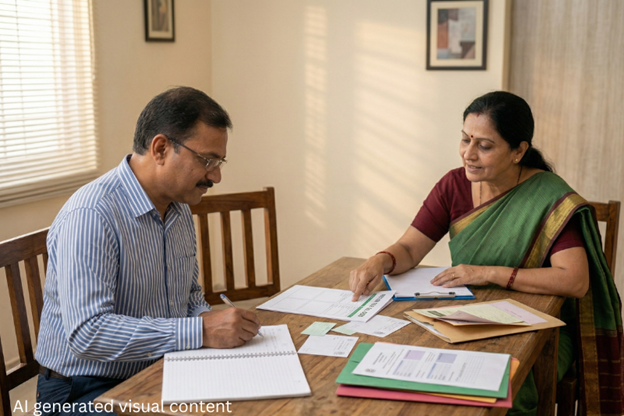
As people grow older, managing health can become more demanding. Multiple appointments, medications, and ongoing treatments can feel overwhelming. A personal health record offers a simple and effective way to stay organised. It keeps all important information in one place, which supports better decisions and faster action during emergencies. As one of the trusted luxury retirement apartments in Bangalore, we share some practical tips to help seniors build a simple personal health record with ease: Why Should Seniors Build a Personal Health Record? A personal health record provides both practical and emotional benefits. It helps seniors stay in control of their health while also supporting caregivers and medical professionals. A personal health record: Ensures that all important medical details remain accessible. In urgent situations, quick access to accurate information can save time and reduce risk. Improves communication with healthcare professionals. Doctors can provide better treatment when they have a complete picture of medical history, medications, and past treatments. Reduces the chance of errors. Clear records help prevent duplicate medications, missed doses, or harmful drug interactions. Provides peace of mind, as seniors and their families know that essential information remains organised and easy to find. How to Build a Simple Personal Health Record? Creating a personal health record does not require advanced tools or technical skills. A notebook, folder, or digital file can work well, as long as the information stays clear and easy to update. 1. Personal Information and Emergency Contacts This section forms the foundation of the record and should remain easy to locate. Include full name, date of birth, blood group, and address. Add at least two emergency contacts with phone numbers and relationship details. 2. Medical History A clear medical history helps healthcare providers understand past and present conditions. Record all past and current health conditions. Include chronic illnesses such as diabetes, heart disease, or arthritis. Add details of surgeries, hospital stays, and allergies. Keep information about previous conditions, even if they no longer affect daily life. 3. Medication List This section plays a crucial role in preventing mistakes and ensuring safe treatment. List all medications, including prescription drugs, supplements, and vitamins. Note the dosage, frequency, and purpose of each medication. Update the list whenever prescriptions change. 4. Doctor Visits and Specialists Keeping track of appointments creates a useful record of treatment history. Maintain a log of all visits. Include the date, doctor’s name, and reason for the visit. Add follow-up instructions and key advice. Record tests, screenings, and results when available. 5. Immunisation Records Vaccination history supports preventive care and future planning. List all vaccines such as flu, pneumonia, and COVID-19. Include dates and locations. Keep track of booster requirements. 6. Lifestyle Habits and Health Goals Daily habits play a significant role in long-term health. Record diet, exercise, and sleep patterns. Set realistic health goals, such as walking daily or improving nutrition. Track progress to maintain motivation and consistency. Common Mistakes to Avoid Many seniors begin a health record but struggle to maintain it effectively. Awareness of common mistakes can improve its usefulness. Avoid keeping outdated information. Regular updates ensure accuracy and reliability. Avoid incomplete medication details, as missing information can lead to confusion or risk. Avoid storing information in multiple places. A single, organised record works best. Avoid making the record difficult to access. Ensure trusted individuals know where it is kept. Avoid overcomplicating the system. A simple format encourages regular use. Whom Should Seniors Consult? Seniors can benefit from guidance while building and maintaining their health record. Support from trusted individuals ensures accuracy and completeness. Doctors can verify medical history and prescriptions. Pharmacists can review medications and identify possible interactions. Family members or caregivers can assist with organisation and updates. Specialists can provide detailed insights into specific conditions or treatments. Seniors who maintain a clear and updated record gain greater control over their health journey. With a consistent approach and the right support, this record can remain a valuable resource for years to come. Are you looking for information on luxury retirement living in Bangalore that helps seniors lead a healthy life? Explore Serene Canterbury by Columbia Pacific. These thoughtfully designed retirement villas in Bangalore offer a perfect balance of luxury, tranquillity, and community living, ideal for those who value both independence and support. Each villa features spacious layouts, modern amenities, and beautifully landscaped surroundings that create a calm and inviting environment. The location offers both serenity and convenience, with easy access to healthcare, shopping, and essential services. Residents can enjoy a range of well-planned amenities that enhance everyday living. From a senior-friendly gymnasium and wellness centre to a cosy reading lounge and vibrant community spaces, every detail supports a fulfilling lifestyle. A restaurant, salon, and multi-purpose hall enhances everyday ease and adds to the overall living experience. To know more, call us at +91-8884555554.
Read More