6211

Articles - Know More About Senior Living retirement communities

How Senior Living Communities Reduce Health-related Anxiety

July 30, 2026

Categories : Senior Living

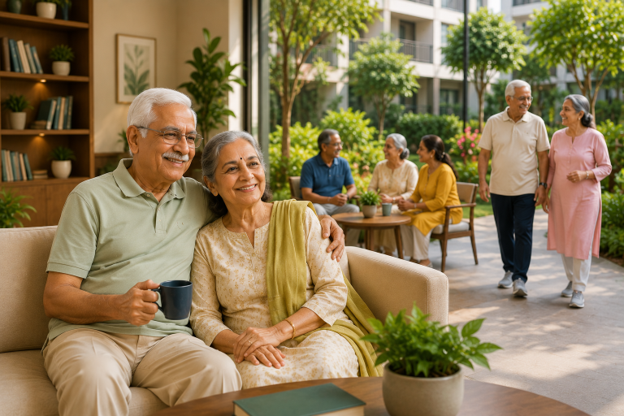
Ageing brings many beautiful possibilities: more time for oneself, deeper family connections, slower mornings, hobbies, travel, community life, and meaningful routines. However, it can also bring a quiet concern that many seniors and families understand well: health-related anxiety. For seniors, this anxiety may come from questions such as, “What if I fall?”, “What if I need medical help at night?”, “Will I remember my medicines?”, or “Will my children be able to reach me quickly?” For families, especially children living in another city or country, the worry may sound different: “Are my parents safe?”, “Are they eating properly?”, “Will someone notice if they are unwell?”, or “What happens in an emergency?” This is where senior living communities or senior apartments can make a meaningful difference. They are not only places to live. When planned thoughtfully, they can create an environment where seniors feel supported, families feel reassured, and health-related anxiety becomes easier to manage. What Is Health-related Anxiety in Seniors? Health-related anxiety does not always mean panic or constant fear. Sometimes, it appears in small everyday ways. A senior may avoid walking because of fear of falling. They may feel nervous about staying alone. They may repeatedly worry about their blood pressure, sugar levels, pain, sleep, or medicines. They may hesitate to travel, attend social events, or try new activities because they are unsure how their body will respond. Family members may also experience this anxiety. They may call several times a day to check on their parents, feel worried about missed calls, or feel guilty about not being physically present. Common Concern How It Can Affect Daily Life Fear of medical emergencies Seniors may avoid being alone or stepping out Worry about falls Movement and confidence may reduce Medicine-related confusion Families may feel the need to monitor constantly Loneliness during illness Seniors may feel emotionally vulnerable Lack of nearby support Small issues may feel bigger than they are Distance from children Families may feel helpless during health concerns Senior apartments help reduce these worries by adding structure, support, and reassurance to everyday life. 1. Access to Healthcare Support Brings Reassurance One of the biggest reasons seniors feel anxious is uncertainty around medical help. If a health issue appears suddenly, who will respond? Is there a hospital nearby? Can emergency transport be arranged? Will someone help with the first step? Senior living communities can reduce this anxiety by offering better access to healthcare support, wellness services, emergency response systems, and nearby medical facilities. Even when seniors are independent, knowing that help is readily available can make them feel calmer. For families, this support is equally important. When they know their parents are living in a place where health and safety are thoughtfully considered, they can feel more reassured. Healthcare Support Why It Helps Regular health check-ups Helps notice changes early Emergency response planning Reduces fear during urgent situations Access to doctors or hospitals Makes care feel more reachable Medicine reminders or support Reduces confusion and missed doses Wellness monitoring Encourages preventive care The value is not only in the service itself. It is in the peace of mind that comes with it. 2. Preventive Healthcare Builds Confidence Many health worries grow when seniors feel they do not know what is happening inside their body. Preventive healthcare helps reduce this uncertainty. Preventive Habit How It Reduces Anxiety Blood pressure monitoring Helps seniors track changes calmly Sugar checks Supports better diabetes management Bone and mobility checks Reduces fear of falls Nutrition guidance Supports energy and strength Fitness activities Builds movement confidence When health becomes part of a routine, it feels less frightening and more manageable. 3. Senior-friendly Design Reduces Everyday Fear A poorly designed home can make seniors feel unsure. Narrow corridors, dim lighting, slippery floors, high shelves, and bathrooms that are difficult to use can make seniors hesitate. Seniors may move less, avoid certain areas, or depend more on others. Senior living communities are often designed with ageing needs in mind. Wide corridors, good lighting, anti-skid flooring, grab bars, lift access, safe pathways, and accessible common areas can make movement easier and safer. Design Feature Emotional Benefit Wide corridors Supports confident movement Good lighting Reduces fear of tripping Anti-skid flooring Makes walking feel safer Grab bars Offers physical support Clear pathways Reduces hesitation Accessible common areas Encourages social participation Good design gives seniors the confidence to move around safely. That feeling can reduce anxiety in a very real way. 4. Social Connection Reduces Emotional Stress Health-related anxiety often becomes stronger when seniors feel alone. A minor ache may feel more worrying when there is no one nearby to talk to. A missed call from a family member may create worry on both sides. Too much time alone can make health concerns feel larger. Senior living communities encourage social connection through common areas, group activities, hobby sessions, festivals, games, wellness programmes, and shared meals. These simple interactions can lift mood and reduce worry. Social Activity How It Helps Group walks Encourages movement and companionship Hobby sessions Keeps the mind engaged Community meals Reduces loneliness Cultural events Creates joy and belonging Wellness groups Makes health routines feel shared When seniors feel connected, they are less likely to carry health worries alone. For families, health-related anxiety often comes from distance. This is especially true for children living abroad or in another city. They may not be able to visit often, but they still want to stay involved. Senior living communities can help by creating a more organised environment. Families know where their parents are, what support is available, and who to contact if needed. This reduces the pressure of managing everything remotely. Looking for Information on the Best Senior Apartments for Rent in Chennai Explore TVS Emerald Serene Springs – the senior living community is planned around comfort, confidence, and a meaningful life. Created through a collaboration between Serene Communities by Columbia Pacific and TVS Emerald, the community offers thoughtfully designed 1 and 2 BHK senior living apartments in OMR, Chennai. For seniors who want to enjoy independence without feeling isolated, TVS Emerald Serene Springs brings together the warmth of community living and the reassurance of senior-friendly support. Residents can enjoy amenities such as an Infinity Pathway, community dining, wellness centre, tabletop games, multipurpose hall, indoor gymnasium, indoor games room, and terrace lounge, all planned to support active, social, and relaxed living. The community has an on-site clinic for routine check-ups and basic medical care, along with health monitoring, emergency care coordination, healthcare support, and ambulance services. This can be especially reassuring for seniors and families who want a community where health, comfort and timely support are thoughtfully considered. To know more about TVS Emerald Serene Springs, call at +91-8884555554.

Read More

Why Wide Corridors and Good Lighting Matter in Senior Citizen Apartments?

July 20, 2026

Categories : Community living tips

When families look for senior citizen apartments, they often notice the big things first: location, healthcare access, food, community spaces, security, and services. These are all important. However, some of the most meaningful design features are often the simplest ones. Wide corridors and good lighting may not sound very glamorous, but they can make everyday life much safer, easier, and more comfortable for seniors. For seniors, a home should not only look beautiful. It should support movement, confidence, independence, and peace of mind. Here, we share why wide corridors and good lighting matter: Why Design Matters More with Age As people grow older, their relationship with space changes. A narrow passage, dimly lit corner, slippery floor, or cluttered walkway may feel like a small inconvenience to younger people. For seniors, the same features can affect comfort, balance, and confidence. Senior-friendly design is not about making a home look medical or restrictive. It is about creating an environment where seniors can move freely, safely, and independently. The best senior citizen apartments are planned around real daily needs, such as walking to the dining area, using the lift, meeting neighbours, carrying small items, or returning home in the evening. Design Feature Why It Matters for Seniors Wide corridors Support easy movement, walking aids, and wheelchair access Good lighting Helps improve visibility, safety, and confidence Clear pathways Reduces the risk of trips and falls Senior-friendly flooring Supports stable footing Accessible common areas Encourages social interaction and daily activity Good design does not take away independence. It protects it. Why Wide Corridors Are Important Wide corridors give seniors more space to move comfortably. This is especially useful for those who use walking sticks, walkers, wheelchairs, or other mobility aids. Situation How Wide Corridors Help Walking with support Provides enough space for walkers and walking sticks Wheelchair movement Allows easier turning and movement Emergency assistance Gives caregivers and medical staff more room Social interaction Allows seniors to pause, greet others, and move comfortably Daily confidence Reduces the fear of bumping into walls or furniture Wide corridors also make the space feel more open and welcoming. Seniors may feel more encouraged to step out, walk around, and participate in community life. Why Wide Corridors Support Independence in Senior Citizen Apartments Independence is one of the biggest emotional needs for seniors. Many seniors want help to be available, but they do not want to feel dependent for every small activity. Simple design choices can help them continue doing things on their own. A wide corridor helps a senior walk without feeling rushed. It gives them time and space to move at their own pace. It also supports safe movement between apartments, lifts, dining spaces, wellness areas, gardens, and activity zones. This is important because confidence affects behaviour. If a senior feels unsafe while walking through a narrow or dim passage, they may avoid stepping out. Over time, this can reduce movement, social interaction, and emotional well-being. Wide corridors can quietly encourage a healthier, more active lifestyle. Why Good Lighting Matters Good lighting is another essential part of senior-friendly design. As people age, vision may change. Some seniors may need more light to see clearly. Shadows, glare, and dark corners can make it harder to judge steps, floor levels, objects, or distances. Good lighting helps seniors move around with greater confidence. It is especially important in corridors, staircases, bathrooms, entrances, parking areas, lifts, dining spaces, and outdoor walkways. Area Why Lighting Matters Corridors Helps seniors walk safely at all times Bathrooms Reduces slipping and confusion Staircases Makes steps easier to see Entrances Supports safe entry and exit Gardens and pathways Encourages evening walks and social time Bedrooms Helps seniors move safely at night Lighting should be bright enough to provide good visibility, but not harsh. Very bright lighting can create glare, while poor lighting can create shadows. A balanced lighting plan is best for senior comfort. What Families Should Check Before Choosing Senior Living Apartments in India When visiting senior citizen apartments, families should observe the space from a practical perspective. It is not enough to look at floor plans or brochures. Walk through the corridors, common areas, lifts, and outdoor spaces. Here are some useful questions to ask: What to Check Questions to Ask Corridor width Can two people pass comfortably? Mobility access Can a wheelchair or walker move easily? Lighting quality Are corridors, lifts, and entrances well-lit? Night safety Is there enough lighting for late evening movement? Floor design Is the flooring even, stable, and non-slippery? Emergency access Can staff or caregivers reach residents quickly? Common areas Are activity spaces easy to access? Families should also involve seniors in the visit. A senior should be able to say whether the space feels comfortable, open, and easy to move through. Looking for Information on Senior Citizen Apartments Where Design is Built Around Safety, Comfort, and Independence? At Serene Bilvani One, senior living is designed to bring together comfort, independence, wellness, and community. For families looking at thoughtfully planned senior citizen apartments in Hyderabad, this boutique senior living community offers premium 2 and 3 BHK vastu-compliant residences where elegance meets everyday practicality. The community is planned for seniors who want to enjoy their own space while staying connected to a supportive community. From a welcoming lobby, bistro and café, games room, AV room, multipurpose hall, and business centre to a senior-friendly gym, outdoor seating areas, and therapy garden, every space encourages residents to stay active, relaxed, and socially engaged. Daily comfort is also supported through amenities such as a kitchen and restaurant, wellness-focused spaces, and peaceful areas for conversations, reading, relaxation, and fresh air. These features make it easier for seniors to follow healthy routines, meet neighbours, enjoy leisure time, and live with greater confidence. The location adds another layer of convenience, with access to healthcare, banks, railway connectivity, and key parts of Hyderabad. For seniors who value independence, and for families who want reassurance, Serene Bilvani One offers a warm, well-planned, and senior-friendly way to experience retirement living. To know more, call us at +91-8884555554.

Read More

Common Lifestyle Mistakes to Avoid After Retirement

July 15, 2026

Categories : Retirement planning tips

Retirement can be one of the most peaceful and fulfilling stages of life. It gives seniors the freedom to slow down, spend time with loved ones, explore hobbies, enjoy better routines and live with more comfort. After years of work and responsibilities, this phase should feel personal, meaningful, and reassuring. At the same time, retirement brings many lifestyle changes. Daily structure becomes different. Social interaction may reduce. Health, food, movement, sleep, and emotional well-being need more attention. Many seniors do not struggle because of retirement itself. They struggle because their old lifestyle habits no longer suit their new stage of life. As one of the leading retirement homes in Hyderabad, we share some common lifestyle mistakes to avoid after retirement. Treating Retirement as Complete Rest Rest is important after years of hard work. However, retirement should not mean doing nothing every day. Too much inactivity can slowly affect energy, mood, mobility and confidence. A better approach is to balance rest with light activity. Seniors can enjoy reading, walking, prayer, music, gardening, social interaction, indoor games or community events. Retirement should feel relaxed, but not empty. Instead of Try This Sitting for long hours Take short walks or stretch gently Staying indoors all day Spend time in fresh air or common areas Avoiding all activities Choose simple, enjoyable hobbies Sleeping at odd hours Follow a steady sleep routine A good retirement lifestyle gives seniors something to look forward to every day. Not Creating a Daily Rhythm During working years, routine is created naturally through office hours, travel, and responsibilities. After retirement, that structure changes. Without a daily rhythm, days may begin to feel repetitive or unplanned. A simple routine can make life feel calmer. It does not need to be strict. It only needs to create a comfortable flow. Time of Day Lifestyle Ideas Morning Warm water, light stretching, walk, and breakfast Afternoon Lunch, rest, reading, and hobbies Evening Tea, social time, and community activity Night Light dinner, family call, and relaxation Leading retirement homes in Hyderabad are designed to support this rhythm through walking areas, dining spaces, wellness activities and community interaction. This helps seniors follow healthier routines without feeling forced. Ignoring Social Life One of the biggest lifestyle mistakes after retirement is allowing social life to gradually decline. Earlier, conversations happened naturally at work, during travel or through daily responsibilities. After retirement, seniors may need to make a little extra effort to stay connected. Social connection supports emotional well-being. A short conversation, a shared meal, a walking group or a hobby class can make the day feel brighter. Seniors can join music circles, reading clubs, spiritual groups, yoga sessions, cultural events or community gatherings. In senior living communities, shared spaces make social interaction easier and more natural. This is especially helpful for families looking at retirement homes for NRIs in Hyderabad, where children may live abroad and want their parents to have companionship beyond phone calls and video calls. Not Planning Food Habits Properly Food habits often change after retirement. Some seniors may skip meals because they do not feel hungry. Some may depend too much on tea and snacks. Others may continue eating the same portions as before, even though their daily activity has reduced. Food should support energy, digestion, strength, and comfort. Seniors should focus on regular meals, enough protein, vegetables, fruits, fibre, and water. Food Habit to Avoid Better Habit Skipping breakfast Start with a light, balanced meal Too many fried snacks Choose fruits, nuts or homemade snacks Low protein intake Include dal, curd, paneer, eggs, fish or pulses Less water Keep water nearby throughout the day Irregular meal timings Eat at regular intervals When comparing retirement homes in Hyderabad, families should check the quality of food, meal timings, hygiene, dining support and whether food preferences are respected. Food is not only about nutrition. It is also about comfort, routine and happiness. Not Moving Enough During the Day Movement is one of the most important parts of active ageing. Seniors do not need intense exercise, but they do need regular movement. A common mistake is thinking that one morning walk is enough, followed by sitting for the rest of the day. Instead, seniors should include small movements throughout the day. This may include walking after meals, stretching while watching television, gardening, light yoga or chair exercises. Regular movement supports flexibility, balance, digestion, and independence. A senior-friendly community can make this easier through safe walking paths, open spaces, fitness areas, and activity programmes. Ignoring Sleep Routine Sleep patterns may change after retirement. Some seniors sleep late, wake up late, nap too much during the day or use screens late at night. Over time, this can affect mood, energy, and overall comfort. A peaceful sleep routine can make the whole day better. Seniors can try: Fixed sleep and wake-up timings Light dinner Less tea or coffee in the evening Gentle music or reading before bed Less screen time at night Comfortable bedding and good room ventilation Good sleep is not a luxury. It is part of healthy ageing. Not Making the Home Senior-friendly Many seniors continue living in homes designed for a younger lifestyle. Slippery floors, poor lighting, high shelves, cluttered passages, poorly designed bathrooms, and uncomfortable seating can make daily life harder. A senior-friendly home supports safety and confidence. Home Area Senior-Friendly Change Bathroom Anti-skid flooring, grab bars, and good lighting Bedroom Easy-to-reach switches and storage Living room Clear walking space and stable furniture Kitchen Frequently used items at an easily reachable height Entry area Proper lighting and no loose mats For families comparing retirement homes in Hyderabad, design should be checked carefully. The home should be attractive, but it should also support safe and comfortable ageing. Retirement should not feel like life has slowed down completely. It should feel like life has become more personal and meaningful. For seniors and families exploring retirement homes in Hyderabad, the decision should go beyond property size and location. The right environment should support food, healthcare, safety, movement, social life, services and emotional well-being. Looking for more information on retirement homes for NRIs in Hyderabad? Explore Serene Bilvani One – a boutique senior living community in Hyderabad that offers premium 2 and 3 BHK vastu-compliant senior residences for those who want independence with thoughtful everyday support. The community brings together spaces that support wellness, social connection and daily comfort. Residents can enjoy amenities such as a welcoming lobby, bistro and café, business centre, games room, multipurpose hall, AV room, pool, spa, health and wellness centre, outdoor gym, and a therapy garden. These features make it easier for seniors to stay active, meet people, relax and follow a healthier lifestyle at their own pace. With nearby access to essentials such as Gayathri Hospital, railway connectivity, banks, and key Hyderabad locations, it supports both peaceful living and practical everyday needs. To know more about Serene Bilvani One, contact the team at +91 88845 55554.

Read More

Why Senior-friendly Design and Preventive Healthcare Go Hand in Hand

July 10, 2026

Categories : Retirement homes

Senior living is not only about choosing a beautiful apartment, a peaceful location, or a well-known community. For seniors, the right home should support daily comfort, independence, movement, safety, health, and emotional confidence. This is why two factors should always be looked at together: senior-friendly design and preventive healthcare. A home may have good medical support, but if the corridors are narrow, the bathrooms are unsafe, or the lighting is poor, daily life can still feel difficult. Similarly, a home may be beautifully designed, but if regular health monitoring, wellness routines, and emergency planning are missing, families may still feel anxious. When senior-friendly design and preventive healthcare work together, seniors can enjoy a lifestyle that feels safer, healthier, and more reassuring. Senior-friendly Design Makes Everyday Living Easier Senior-friendly design means creating spaces that understand the everyday needs of older adults. It is not about making a home look like a hospital. It is about making daily living easier, safer, and more comfortable. Good senior-friendly design supports movement, reduces avoidable risks, and helps seniors continue doing things independently. It considers how seniors walk, sit, sleep, bathe, socialise, exercise, and move between spaces. Senior-friendly Design Feature Why It Matters Wide corridors Supports easy movement, walkers, and wheelchairs Good lighting Reduces the risk of trips, falls, and confusion Anti-skid flooring Helps seniors walk with more confidence Grab bars in bathrooms Offers support while standing or sitting Step-free movement Makes access easier throughout the house Accessible lifts Supports daily mobility Safe outdoor pathways Encourages walking and fresh air Clear signage Helps seniors move around comfortably The best senior living communities in India use the right design to protect independence. Seniors should not feel restricted inside their own home. They should feel free to move, rest, meet people, and participate in daily activities with confidence. What is Preventive Healthcare? Preventive healthcare focuses on staying ahead of health concerns instead of responding only when something becomes serious. For seniors, this can include regular check-ups, blood pressure monitoring, blood sugar checks, medicine reviews, nutrition support, physiotherapy, vaccinations, fall-risk assessments, mental well-being support, and fitness routines. It is not about living with fear. It is about living with awareness. Preventive Healthcare Area How It Helps Seniors Regular health screenings Helps detect concerns early Medicine reviews Reduces confusion, side effects, and missed doses Physiotherapy support Maintains mobility and strength Nutrition guidance Supports energy, digestion, and immunity Fall-risk assessment Helps reduce injury risk Mental health check-ins Supports emotional well-being Fitness routines Encourages active ageing Emergency planning Gives seniors and families peace of mind Preventive healthcare helps seniors feel more in control of their health. Families also feel reassured because care becomes more organised, timely, and consistent. Why Design and Healthcare Must Go Hand in Hand Senior-friendly design and preventive healthcare are closely connected because both aim to protect independence. One supports the physical environment. The other supports health and well-being. Preventive Healthcare Goal Design Support Needed Encourage walking Safe paths, wide corridors, and seating areas Reduce fall risk Anti-skid floors, grab bars, and good lighting Support physiotherapy Accessible wellness spaces Improve social well-being Common areas, dining spaces, and activity rooms Support emergency care Easy access, clear pathways, and quick response points Maintain independence Step-free movement, lifts, and senior-friendly layouts When senior-friendly design and preventive healthcare are planned together, seniors find it easier to stay active, independent and engaged in everyday life. Good Healthcare Alone Is Not Enough Senior-friendly design and preventive healthcare are closely connected. When one is missing, the other becomes less effective. A community may offer regular health check-ups, but seniors are less likely to stay active if they do not feel comfortable walking around. A well-equipped gym may go unused if it is not designed for older adults. Similarly, emergency support is only effective when residents and caregivers can move quickly through safe, accessible spaces. Misalignment Possible Impact Good healthcare, poor design Seniors may still feel unsafe in daily movement Beautiful design, weak healthcare support Families may worry about medical readiness Wellness amenities without guidance Seniors may not use them properly Activity spaces without accessibility Participation may reduce Emergency care without clear access Response may become slower or stressful Good apartments, poor common areas Social life and movement may suffer The best senior living communities are not built around one feature. They bring together thoughtful design, preventive healthcare, good nutrition, safety and opportunities for social connection. Choosing the Right Senior Living Community When visiting a senior living community, look beyond the brochures and model homes. Spend time walking through the property and imagine what everyday life would be like for your loved one. Ask yourself one simple question: Will my loved one be able to live here comfortably, confidently and independently every day? 1. Walk Through the Community Like a Resident Walk the same route your loved one is likely to take every day – from the apartment to the dining area, wellness centre, garden and common spaces. Notice whether the pathways feel safe, the lighting is adequate and the layout is easy to navigate. 2. Ask About Preventive Healthcare Emergency care is important, but it is only one part of the picture. Ask how the community helps residents stay healthy every day. 3. Check Bathroom and Bedroom Design Bathrooms are one of the most important areas in senior-friendly homes. Look for anti-skid flooring, grab bars, good lighting, easy access, and enough space for assistance if needed. Bedrooms should have switches within easy reach, enough space to move around safely and good ventilation. 4. Review Food and Nutrition Support Good nutrition plays an important role in preventive healthcare. Ask about meal quality, hygiene, timings, variety, and whether health-specific needs can be considered. Good food habits can support energy, digestion, immunity, and mood. 5. Observe Social and Emotional Support Health is not only physical. Emotional well-being matters just as much. Check whether the community offers activities, shared spaces, celebrations, hobby groups, and opportunities for seniors to interact naturally. For families choosing a senior living community, the right question is not only, “Is this place beautiful?” The better question is: “Will this community help our loved one live well every day?” Looking for Information on a Senior Living Community in Bangalore That Offers Senior-friendly Design, Preventive Healthcare, and Everyday Comfort? Explore Serene Canterbury by Columbia Pacific. Set against the scenic backdrop of Nandi Hills, the community offers premium retirement villas surrounded by greenery and thoughtfully planned for comfortable everyday living. Residents can enjoy a senior-friendly gymnasium, wellness centre, restaurant, reading lounge, community gathering space, salon, multipurpose hall and indoor dining, making it easy to stay active, social and engaged. The community also offers services that support everyday well-being, including regular doctor visits, 24×7 on-call doctor availability, round-the-clock CCTV, a dedicated security team, an in-house kitchen and restaurant, and a range of fitness and cultural activities. Healthcare support is strengthened through partnerships with KITES Senior Care, seniorshield and Manipal Hospitals. With villa options across 1 BHK, 2 BHK, 3 BHK and 4 BHK layouts, the community is designed for seniors who value privacy, companionship, safety and an active, independent lifestyle. To know more, contact the team at +91 88845 55554.

Read More

What does positive ageing really mean in today’s world?

June 23, 2026

Categories : Senior Living

senior apartments

Age often gets linked with loss. Loss of energy. Loss of routine. Loss of independence. Loss of the role a person once had in the family or workplace. That thought can feel deeply unsettling. But later life is not only about what changes. It is also about what becomes clearer. Priorities shift. Time feels more precious. Relationships gain new depth. Small comforts matter more. A quiet cup of tea, a morning walk, a phone call from a grandchild, a prayer, a hobby, or a good conversation can carry real meaning. Positive ageing is this gentle shift in perspective. It does not pretend that old age has no challenges. It simply says that seniors deserve more than care. They deserve purpose, joy, respect, choice, and emotional comfort. As one of the leading senior apartments in India, we share how seniors are looking at ageing in today’s world.   A new way to look at ageing   The older view of ageing often places seniors on the sidelines. Positive ageing brings them back to the centre of life. Old view of ageing Positive ageing view Seniors need care only Seniors need care, purpose, and respect Later life means dependence Later life can still offer choice Age reduces value Age adds wisdom and perspective Routine becomes smaller Life can take new shape Seniors must adjust silently Seniors deserve voice and dignity   Positive ageing is not about forced cheerfulness. It is about honest hope. It allows a senior to say, “My life has changed, but it still belongs to me.”   Why does positive ageing matter?   Positive ageing matters because emotional health matters as much as physical health. A senior may have good medical support, but still feel lonely, unheard, or unimportant. That quiet emotional pain can affect the way they see each day. Many seniors in India have spent decades as decision-makers in their homes. They have raised families, built careers, managed households, cared for parents, supported children, and held communities together. After retirement, they may suddenly feel that people speak around them rather than to them. Positive ageing restores that sense of identity. It reminds seniors that they are not “past their time”. Their experience still has value. Their stories still matter. Their choices still deserve respect.   The many aspects of ageing   Ageing touches every part of life. It is not only about health check-ups or medicines. It also affects confidence, relationships, money, faith, memory, routine, and self-worth. Aspect of ageing What seniors often need Physical Safety, movement, rest, nutritious food, trusted medical support Emotional Patience, affection, reassurance, and space to express fear or sadness Social Friends, family bonds, community life, and regular conversations Mental New interests, books, music, games, discussion, and curiosity Financial Clarity, security, and freedom from constant worry Spiritual Peace, reflection, prayer, gratitude, and inner strength Personal Choice, privacy, dignity, and control over daily life   A positive ageing approach understands all these needs together. A senior is not just a patient, parent, or retired professional. A senior is a whole person.   Physical care with dignity   For many seniors, independence is deeply personal. The ability to walk without fear, dress without help, visit a friend, manage a small routine, or choose what to eat can mean a lot. Positive ageing supports the body without making the person feel weak. It encourages gentle exercise, regular health care, good food, rest, and safe surroundings. More than that, it protects dignity. A senior should not feel like a burden because the body needs support. This is where well-designed retirement communities in India can make a difference. When care feels respectful and not controlling, seniors feel safer and freer.   Emotional comfort matters   Seniors may not always speak openly about loneliness, fear, grief, or worry. Many carry their emotions quietly because they do not want to trouble their children. Positive ageing creates space for these emotions. It allows seniors to talk about what they miss, what they fear, and what they still hope for. A warm community, a trusted companion, or a caring staff member can make daily life feel lighter. Sometimes, the greatest comfort is simple: someone listens without haste.   Purpose gives life shape   Purpose does not end with retirement. It only changes form. For example, a retired teacher may help children with studies. A former banker may guide younger family members in managing savings. A homemaker may pass on recipes, rituals, and family traditions. A senior with a love for music may join a cultural group. Someone with strong faith may find purpose through prayer, service, or community work. Source of purpose How it may look in later life Family Storytelling, guidance, rituals, emotional support Community Volunteering, mentoring, social service Creativity Music, art, writing, gardening, cooking Learning New skills, reading, digital tools, group sessions Faith Prayer, reflection, satsang, spiritual study   Purpose gives a reason to rise each morning with interest rather than habit.   How do seniors in India embrace positive ageing?   Across India, many seniors already live this idea in simple, beautiful ways. They meet friends for morning walks. They attend yoga classes. They join prayer groups, reading circles, laughter clubs, and senior citizen associations. They travel with friends. They celebrate festivals with community groups. They choose retirement communities where they can have both support and independence. This shift is also emotional. Seniors no longer want life to feel limited to medicines, meals, and rest. They want conversation, celebration, learning, safety, and self-respect. Families also start to understand that love does not mean constant control. True care allows seniors to make choices.   A better future for families too   Positive ageing does not help seniors alone. It also helps families. When seniors feel safe, respected, and socially connected, children feel more at peace. Relationships become less tense. Conversations become warmer. Care becomes a shared act of love, not a source of guilt or stress. It also helps younger people see ageing differently. They learn that old age need not mean fear. It can mean grace, wisdom, humour, courage, and freedom.   Looking for the best retirement communities in India that promote positive ageing?   Serene Amara by Columbia Pacific has been created for seniors who want more than a home. They want a place where each day feels safe, social, active, and full of quiet joy. Set in north Bengaluru, the senior housing community features wellness-led amenities, healthcare support, dining, and a clubhouse at its heart. The residences are planned for comfort, belonging, and future-ready ease. Residents can choose from Premier Residences, Grande Residences, and Exclusive Residences, with layouts that support both privacy and connection. The community is for seniors who want to live with confidence, not compromise. It is for families who want their loved ones to feel cared for, but never confined. It is for those who believe that later life can be graceful, active, social, and deeply fulfilling. Because positive ageing isn’t just  about adding more years to life alone. To know more, call us at +91-8884555554.

Read More

Why is preventive healthcare important for active ageing?

June 22, 2026

Categories : Senior Living

independent living homes for seniors

Ageing well is not about avoiding every health problem. It is about feeling prepared, supported and confident enough to enjoy everyday life. For seniors, good health is closely connected to independence, comfort, social connection and peace of mind. When health is cared for regularly, small concerns can be noticed early, routines can be adjusted gently, and families can feel more reassured. This is why preventive healthcare plays such an important role in active ageing. It helps seniors stay one step ahead of health concerns instead of waiting for them  to become serious. The focus is simple: regular check-ups, healthy habits, timely screenings, movement, emotional well-being and meaningful support.    Preventive Healthcare vs Reactive Healthcare   Many people are more familiar with reactive healthcare. This means taking action only after pain, discomfort or illness becomes difficult to ignore. For example, a senior may visit a doctor only after experiencing repeated dizziness, severe knee pain, high sugar levels or breathlessness. Preventive healthcare is different. It focuses on care before a condition becomes complicated. It is not about fear. It is about awareness, planning and timely support.   Preventive Healthcare Reactive Healthcare Focuses on early detection and regular care Begins after symptoms become serious Helps seniors manage risks calmly Often involves urgent decisions Includes check-ups, screenings and lifestyle support Includes treatment after illness appears Supports independence and confidence May affect mobility and daily routine Feels planned and reassuring Can feel stressful for seniors and families   Both approaches are necessary at different times. However, for seniors, a preventive approach can make daily life feel safer and more manageable. In the context of independent living for seniors, preventive healthcare also helps reduce the fear of sudden health setbacks. It allows seniors to stay more aware of their bodies, follow healthier routines and seek support at the right time. This balance of independence and reassurance can make ageing feel less uncertain and more empowering.   Key Areas Preventive Healthcare Should Include   Preventive healthcare should look at the whole person, not just one medical condition. Seniors need support for physical health, emotional well-being, nutrition, movement, safety and social life.   Area What to Include Why It Matters Regular health screenings Blood pressure, sugar, cholesterol, heart checks Helps detect health risks early Bone and joint health Bone density checks, physiotherapy, posture support Supports mobility and reduces fall risk Eye and dental care Vision tests, dental check-ups Helps with safety, eating and confidence Medicine review Doctor-led review of all medicines Reduces confusion and side effects Nutrition Balanced meals, hydration, protein and fibre Supports energy, immunity and strength Physical activity Walking, stretching, balance exercises Helps seniors stay active and independent Mental well-being Mood, memory, sleep and loneliness checks Supports emotional comfort Vaccination planning Doctor-recommended vaccines Helps protect against infections Fall prevention Safe flooring, grab bars, good lighting Reduces injury risk at home   How Seniors Can Plan Preventive Healthcare   Preventive healthcare becomes easier when it is made part of everyday life. It should not feel like a burden. It should feel like a caring routine.   1. Create a Yearly Health Calendar   A simple calendar can include annual health check-ups, dental visits, eye tests, vaccination reminders, medicine reviews and follow-up appointments. This helps seniors and families stay organised.   2. Keep a Personal Health File   Every senior should have one updated file with prescriptions, test reports, allergies, health history, insurance details and emergency contacts. This is especially helpful during doctor visits or emergencies.   3. Track Important Health Numbers   Blood pressure, blood sugar, weight, pulse rate and cholesterol should be monitored as advised by a doctor. Tracking these regularly helps spot changes early.   4. Build Gentle Movement into the Day   Movement does not need to be difficult. A short walk, light stretching, chair exercises, yoga, gardening or physiotherapy-guided activity can help maintain flexibility and balance.   5. Talk About Emotional Health   Preventive healthcare should also include honest conversations about mood, sleep, loneliness and memory. Seniors may not always speak about emotional discomfort unless someone gently asks.   Preventive Healthcare Checklist for Seniors   Checklist Item Done Annual health check-up completed □ Blood pressure checked regularly □ Blood sugar monitored as advised □ Medicines reviewed with doctor □ Eye check-up scheduled □ Dental check-up completed □ Bone health and fall risk assessed □ Vaccinations discussed with doctor □ Daily movement routine followed □ Nutrition and hydration monitored □ Sleep and mood discussed openly □ Emergency contacts updated □ Medical file organised □ Social activities included weekly □   Role of independent living homes for seniors   At Serene Bilvani One, we believe preventive healthcare is an essential part of active ageing. Our thoughtfully designed senior living community encourages residents to stay healthy, independent and confident through wellness-focused spaces, safe surroundings, regular engagement and access to everyday support. To know more about our approach to independent living for seniors, call us at +91-8884555554. 

Read More

How to plan relocation after retirement in India?

June 22, 2026

Categories : Senior Living

best place to live after retirement in india

Relocation after retirement is not just a change of address. It is an emotional, practical and family decision. For many seniors in India, retirement brings the desire for a quieter life, better health support, lower expenses, or the comfort of being closer to children. For family members, the same decision often comes from concern: Will parents be safe? Will they get medical help quickly? Will they feel lonely? Will they adjust? That is why retirement relocation should be planned together, with patience and open conversation. A good relocation plan is not only about choosing a city. It is about choosing a life that feels secure, comfortable and meaningful for the senior.   Why Relocation After Retirement Needs Careful Planning   After retirement, daily routines change. Work-related movement reduces, health needs may increase, and social circles become even more important. A place that seemed attractive during holidays may not always be suitable for everyday living. For example, a peaceful hill town may sound perfect, but it may not have quick emergency medical care. A metro city may have excellent hospitals, but traffic, pollution and high costs may make daily life tiring. Similarly, moving closer to children may feel reassuring, but seniors may also worry about losing their independence. This is why relocation should be planned with both heart and practicality.   Relocation Goal What It Really Means Peaceful living Less stress, slower pace and safer surroundings Better healthcare Access to hospitals, doctors, medicines and emergency support Family support Emotional comfort and help during illness or emergencies Financial comfort Lower cost of living and manageable monthly expenses Social connection Friends, community activities and less loneliness Independence Ability to manage daily life without feeling dependent   Start with Conversations, Not Decisions   One of the biggest mistakes families make is discussing relocation as a final decision rather than a shared conversation. Seniors may feel pressured if children say, “You should move here now.” Similarly, family members may feel worried if seniors refuse to consider practical issues. The conversation should begin gently. Families can ask questions such as: What kind of daily life would feel comfortable? What worries do you have  about moving? Is staying close to family important? Would a senior living community feel acceptable? What level of independence matters most? These conversations help everyone understand the emotional side of relocation. Seniors may not only be thinking about hospitals and expenses. They may be thinking about memories, neighbours, familiar markets, temples, clubs, routines and the home they have built over decades.   Fear Factors Seniors May Experience   Relocation can bring hidden fears. These fears are real and should not be dismissed. Many seniors worry about losing independence. Moving in with children, or even closer to children, may make them feel that they are giving up control over their own lives. Some fear becoming a burden. Others worry that they will not make new friends or adjust to a new culture, language or climate. There may also be a fear of medical emergencies. Seniors may ask themselves: What happens if help is needed at night? Who will take care of hospital paperwork? Will transport be available? Will trusted doctors be nearby?   Common Fear How Families Can Respond Loss of independence Choose a setup where seniors can manage their own routine Becoming a burden Discuss support practically, not emotionally Loneliness Look for active communities and social groups Medical emergencies Plan hospitals, emergency contacts and transport in advance Leaving familiar surroundings Allow gradual transition instead of sudden relocation Financial uncertainty Create a clear monthly budget before moving   The more openly these fears are discussed, the easier relocation becomes.   Factors to Check Before Choosing a Place   Medical Care and Emergency Support   Healthcare should be a top priority. The chosen location should have good hospitals, reliable doctors, pharmacies, diagnostic centres and ambulance access. Families should prepare a simple medical file with prescriptions, health history, insurance details, doctor contacts and emergency numbers. This gives seniors confidence and helps family members respond quickly.   Daily Amenities and Facilities   The best place to live after retirement in India makes everyday life simple. Grocery shops, banks, ATMs, pharmacies, parks, places of worship and public transport should be easily accessible.   Facility Why It Matters Nearby grocery and pharmacy Reduces dependency for daily needs Parks and walking areas Supports physical and mental health Banks and ATMs Helps seniors manage money independently Domestic help Makes household tasks easier Reliable internet Supports video calls, online payments and teleconsultations   Small conveniences often decide whether seniors feel settled or frustrated.   Location and Connectivity   A retirement location should be peaceful but not isolated. Good road, rail or airport connectivity makes family visits easier and helps during emergencies. If children live in another city, the travel time should be realistic. A beautiful location that is difficult to reach may create stress later.   Weather and Climate   Weather affects health more than many families realise. Extreme heat, heavy humidity, cold winters or high pollution can worsen breathing problems, joint pain, heart conditions and general fatigue. Before finalising a move, seniors should ideally spend a few weeks in the shortlisted city during different seasons. A place that feels pleasant for ten days may feel very different during peak summer, monsoon or winter.   Social Life and Emotional Well-being   Retirement should not become lonely. A good location should offer opportunities for social interaction. This may include senior citizen groups, cultural clubs, religious communities, hobby classes, walking groups or community events. For family members, it is important to remember that emotional comfort is as important as physical safety. Seniors need people to talk to, not just facilities around them.   How Families Can Plan Relocation Together   Relocation works best when seniors and family members divide the planning process.   Planning Area Senior’s Role Family’s Role Lifestyle choice Share preferences and fears Listen without forcing decisions Healthcare Share medical needs Research hospitals and doctors Finances Discuss comfort level Help create a practical budget Housing Express privacy needs Compare safe and suitable options Social life Identify preferred activities Find nearby communities and clubs Trial stay Experience the place Observe comfort and adjustment   A trial stay can be extremely useful. Instead of selling property or shifting everything immediately, seniors can spend one to three months in the new location. This helps everyone understand whether the place truly fits their daily life and routine.   Retirement Relocation Checklist   Checklist Item Done Discussed emotional concerns openly □ Checked hospitals and emergency care □ Compared monthly living costs □ Reviewed weather suitability □ Checked transport and connectivity □ Explored social groups and community life □ Planned trial stay before final move □ Prepared medical and financial documents □ Checked safety of neighbourhood □ Discussed independence and privacy needs □ Created emergency contact plan □ Reviewed long-term ageing needs □   Relocation after retirement in India should not feel like a forced adjustment. It should feel like a carefully planned move towards comfort, safety and dignity. The best place to live in India after retirement is not just where life becomes easier. It is where seniors feel respected, connected and truly at home. To know more about how our senior living communities in India are designed to support comfort, safety, independence and meaningful social connections, get in touch with us today.

Read More

15 Meaningful Things to Do After Retirement

June 18, 2026

Categories : Senior living tips

senior citizen homes

Congratulations! Finally, you are entering the phase of your life that you have been working hard for and looking forward to. However, with no professional commitment, you may be wondering what to do after retirement. Well, new retirees, fret not. As a leading senior living operator, we share with you 15 retirement ideas that are fun and meaningful:  Spend quality time with friends and family: Plan for dinner parties with your friends, schedule weekend outings with your grandkids and catch up with school and college friends over a cup of coffee. When you are retired, there are ample opportunities to have fun with your near and dear ones.  Volunteer in the community: Volunteering is a great way to contribute to society in a meaningful way. Not just that, it is a great way to meet new people and increase social interactions after retirement.  Start a business: Why not work for yourself? Use your years of experience and wisdom to start your own business. From financial consultation to starting your own baking business, there are immense opportunities to pursue after retirement.  Learn a new language: Learning a new language is not just good for your cognitive development but also helps you make friends from different cultures. Join a photography class: If you love getting behind the lens, joining a photography class can be a good idea to learn new techniques.  Travel near and far: This is something that all retirees wish to do after retirement. When you have all the time, you can explore new destinations. You can live in a foreign country for a while or visit places nearby.  Connect with your spiritual self: Including some spiritual activities in your day can deepen your sense of meaning and purpose. Meditation, deep breathing exercises, being part of a spiritual community or simply getting out in nature can help you appreciate the small moments of joy and happiness. Find your inner artist: Tap into your creative side through drawing, painting, sculpting, and woodworking.  Start gardening: Gardening is a great way to get some exercise and connect with nature. Start with low-maintenance plants and then up your game.  Start a blog: Writing can be quite therapeutic. If you enjoy writing, start writing a blog and share your thoughts with others.  Write a book: If you love putting your thoughts into words, write a book. You never know, you could be the next best-selling author! Participate in sports: Participate in swimming, cycling, table tennis, badminton, squash or any other sport activity that interests you. It is a great way to remain active and have fun with friends.  Sign up for a dance class: Dancing is one of the most enjoyable ways of moving around and keeping fit. Kathak, Salsa, Ballet, and Jazz are some of the great dance forms to learn. Dancing also helps you stay fit.  Mentor students: With the wealth of knowledge and wisdom gained over your lifetime, mentoring less-privileged students can be a great use of your time.  Start a hobby group on social media channels:  Whether you love quilting or collecting stamps, starting a hobby on social media is a great way to meet people who share similar interests. You can share your work with others and get inspired by others.  If you are looking for independent senior citizen apartments, explore our retirement communities in India. At our retirement communities, you will get to enjoy a worry-free lifestyle as daily and periodic cleaning, maintenance of individual living spaces and common areas daily housekeeping, and 24×7 electrical and plumbing maintenance are all taken care of. Our retirement communities give you the perfect opportunity to enjoy your retirement years the way you wish to.  

Read More

3 Morning Rituals for a Pain-free Day for seniors

June 16, 2026

Categories : Senior Living

senior living in hyderabad

A good morning can set the tone for the entire day. For seniors, the first part after waking up is a wonderful opportunity to care for the body gently, improve flexibility, and begin the day with a sense of comfort and confidence. Simple morning rituals can make everyday movement feel easier, whether it is walking around the house, enjoying breakfast, stepping out for fresh air, or spending time with family. The idea is not to follow a strict or tiring routine. Instead, it is about creating a calm and supportive start to the day. A few mindful habits, done regularly, can help seniors feel more active, relaxed and ready for daily activities. These rituals can also give family members a simple way to support their loved ones without making them feel dependent or pressured.    Why Morning Rituals Matter for Seniors   As the body ages, it may need a little more time to move comfortably after waking up. Muscles and joints may feel better when they are gently warmed up. A slow and thoughtful morning routine can help improve blood circulation, support balance, ease stiffness and reduce the chances of sudden strain. Morning rituals also bring emotional comfort. When seniors know how their day will begin, it creates a sense of routine and reassurance. This is especially helpful for those who like to stay independent and involved in their own well-being. Benefit of Morning Rituals How It Helps Seniors Better flexibility Helps the body move more comfortably Improved balance Supports safer movement during the day More confidence Seniors feel prepared and in control Better mood A calm morning can make the day feel lighter Less stiffness Gentle movement helps the body loosen up Greater independence Seniors can actively take care of their health   These rituals do not need to be long. Even 15 to 20 minutes each morning can make a meaningful difference when done consistently.   Ritual 1: Wake Up the Body with Gentle Bed Movements   The first ritual begins before getting out of bed. Instead of rising quickly, seniors can take a few minutes to help the body wake up slowly. This is a gentle and safe way to prepare the joints and muscles for movement. Simple bed movements can include ankle circles, wrist circles, slow knee bends, shoulder rolls and deep breathing. These movements are easy to do while lying down or sitting on the bed. Gentle Movement How It Helps Ankle circles Supports blood flow and foot mobility Knee bends Helps loosen the legs before standing Shoulder rolls Reduces tightness in the upper body Wrist circles Helps with hand and finger flexibility Deep breathing Brings calmness and prepares the mind   After these movements, seniors can sit at the edge of the bed for a minute before standing. This small pause allows the body to adjust and helps them begin the day with steadiness. Family members can support this ritual by keeping the bedside area clear, ensuring slippers are nearby, and placing a sturdy chair or support if required.   Ritual 2: Add Warmth and Hydration to the Morning   Warmth can be very comforting in the morning. A glass of warm water, a warm bath, or a warm towel placed on stiff areas can help the body feel relaxed and ready to move. Hydration is also important. After a full night of sleep, the body naturally needs fluids. Starting the morning with water can support digestion, energy and overall comfort. A simple morning comfort routine may include:   Step Purpose Drink warm water Helps the body rehydrate Use a warm towel Relaxes stiff muscles Take a warm shower Makes movement feel easier Wear comfortable clothing Supports free movement Sit calmly for a few minutes Helps start the day peacefully   This ritual is especially useful because it feels natural and pleasant. It does not feel like exercise, but it still prepares the body for the day. Seniors who enjoy tea, prayer, music or quiet time can combine these habits with hydration and warmth to create a morning routine that feels personal.   Ritual 3: Practise Gentle Stretching and Light Walking   Once the body feels warmed up, seniors can begin  gentle stretching or light walking. This does not have to be intense. The focus should be on slow, comfortable movement. Stretching helps improve flexibility, while walking supports circulation and balance. Even walking inside the house, on a balcony, in a garden or along a safe corridor can be helpful.   Activity Suggested Time Neck and shoulder stretches 2 minutes Arm raises 2 minutes Seated leg extensions 2 minutes Slow walking 5 minutes Breathing and relaxation 2 minutes   The best rule is simple: movement should feel comfortable, not painful. Seniors should avoid pushing too hard or forcing any stretch. If there is sharp pain, dizziness or unusual discomfort, the activity should be stopped and medical advice should be sought.   How Seniors Can Take Part Proactively   Seniors should see these rituals as a form of self-care, not as a task. When they take part willingly, the routine feels more empowering. They can choose the time, place and pace that feels right for them. Some may enjoy stretching near a window. Others may prefer walking in the garden or doing breathing exercises after prayer. The routine should match their personality and lifestyle. A simple way to stay involved is to maintain a small morning comfort tracker.   Daily Question Example Note How does the body feel today? Light, stiff, energetic or tired Which area needs care? Knees, back, shoulders or feet What helped today? Warm water, stretching or walking What can be improved tomorrow? More rest, slower movement or better posture   This helps seniors understand their own bodies better. It also helps family members offer support in a thoughtful way. For seniors exploring senior living in Hyderabad, such daily rituals become even easier when the environment supports their comfort and independence. A thoughtfully planned senior living community can offer safe walking spaces, wellness areas, social interaction and everyday support, helping residents follow healthy routines with confidence. When seniors have the right surroundings, morning rituals can become more than habits; they can become a gentle way to start each day feeling comfortable, confident and positive. At Serene Bilvani One, we encourage seniors to enjoy a more comfortable, active and pain-free lifestyle through thoughtfully designed spaces, wellness-focused amenities and a supportive community environment. From senior-friendly fitness areas and relaxing outdoor seating spaces to a therapy garden, health and wellness centre, spa, and engaging social zones, every element is planned to help residents move with ease, stay connected and begin each day with confidence. To know more about our senior citizens apartments in Hyderabad, call us at +91-8884555554.

Read More

What is the concept of a senior living community, and how does it work in India?

June 9, 2026

Categories : Senior Living

luxury senior living

For many Indian families, the phrase senior living community can stir up mixed emotions. Some people imagine an old age home. Some children worry that their parents may feel abandoned. Many seniors fear that such a move may take away their independence, family warmth, or familiar way of life. But the idea has changed. A senior living community is not about taking life away from seniors. It is about making daily life safer, easier, warmer, and more meaningful. It gives seniors the freedom to live independently, with care and support close at hand.   A home designed around senior life   A senior living community may include private apartments or villas, dining areas, gardens, activity rooms, wellness spaces, healthcare access, housekeeping, maintenance, and security. But the heart of the concept is much deeper than facilities. It is built around one simple belief: seniors should not have to choose between independence and support. They can have both. They can live in their own private space, follow their own routine, meet people of their age, take part in activities, receive help when needed, and still feel in control of their day.   How senior living communities work in India   In India, senior living communities usually offer independent homes with added services. Seniors may move in as individuals or couples. Some choose these communities after retirement. Some move because their children live in another city or country. Others choose them because they want a safer, more social, and more convenient lifestyle. The community usually takes care of many everyday concerns that can become stressful with age. Daily need How the community helps Safety Security, emergency response, senior-friendly design Health Medical access, health checks, nurse support, hospital tie-ups Comfort Housekeeping, maintenance, dining, transport Social life Events, clubs, festivals, group activities Wellness Yoga, walking tracks, fitness spaces, meditation areas Independence Private homes, personal routines, freedom of choice   This model suits modern India because family life has changed. Children may not always live nearby. Homes may not always be designed for senior safety. Domestic help may not always be reliable. A senior living community fills these gaps without replacing the family.   The fear of “being sent away”   This is one of the biggest emotional concerns. Many families worry about what relatives will say. Seniors may wonder, “Are my children trying to move me out?” Children may feel guilty, even when their intention comes from love. But a good senior living community is not a place of abandonment. It is a place of support. It can reduce pressure on the family and give seniors a life with more comfort. Parents do not have to depend on children for every small need. Children feel reassured because help is always close. Visits can become more relaxed, less anxious, and more joyful. Family remains important. The community simply adds a strong circle of care around it.   Common myths about senior living communities   Myth Reality It is the same as an old age home Modern senior communities focus on independence, comfort, wellness, and social life Only lonely seniors live there Many residents have loving families and choose this lifestyle with confidence Seniors lose freedom Good communities protect personal choice and private routines Life becomes dull Residents often find new friendships, hobbies, and daily purpose Families stop visiting Many families visit more peacefully because daily care feels secure   These myths often come from an older view of ageing. Today, many seniors do not want to spend later life in isolation or constant dependence. They want dignity, comfort, friendships, and freedom.   Why seniors choose this lifestyle   Seniors often choose these communities for very human reasons. A senior may want to stop worrying about home repairs. A couple may want medical support nearby. Seniors living alone  may want companionship during mealtimes or other activities. Some seniors may want a safe place to walk every day. Others may want cultural events, music sessions, yoga classes, celebrations, or simply people to talk to. The need is not always medical. Sometimes, the need is emotional. A knock on the door. A shared cup of tea. A familiar face at dinner. A friend for an evening walk. These small moments can make life feel less lonely and more alive.   How today’s luxury senior living communities break old norms   Earlier, ageing in India often came with silent adjustment. Seniors were expected to accept discomfort, reduce their needs, and depend quietly on family. Modern senior living communities challenge that mindset. They say seniors deserve more. They deserve homes that understand ageing bodies. They deserve care that does not feel controlling. They deserve privacy, safety, laughter, friendships, good food, wellness, and respect. Most of all, they deserve a choice. This is what makes the concept so powerful. Senior living is not only about where seniors stay. It is about how they feel every day.   The emotional value of community   A home is not just walls and rooms. It is a feeling. For seniors, that feeling often comes from safety, routine, respect, and connection. A senior living community works well when it creates all four. It gives seniors the comfort of their own space, the reassurance of support, and the warmth of people nearby. It helps families care with less fear and more trust. A senior living community in India is not a sign that family bonds have weakened. It is a sign that the idea of care has evolved.   Looking for luxury senior citizen homes in India?   Explore Serene Canterbury by Columbia Pacific. The community has been created for seniors who want that balance: a private home, a close-knit community, dependable care, and the freedom to live life with grace. Residents can choose from 1, 2, and 3/4 bedroom villa options, with layouts that support ease, comfort, and a refined lifestyle. It brings together three things that seniors and families often seek but rarely find in one place: natural surroundings, premium comfort, and dependable support. It is peaceful without feeling remote. It is elegant without feeling impersonal. It offers care without taking away independence. That is the heart of modern senior living. To know more, call us at +91-8884555554. 

Read More

Top Articles


Tags


Categories


Contact Us Whatsapp Logo
x

Please fill the form